
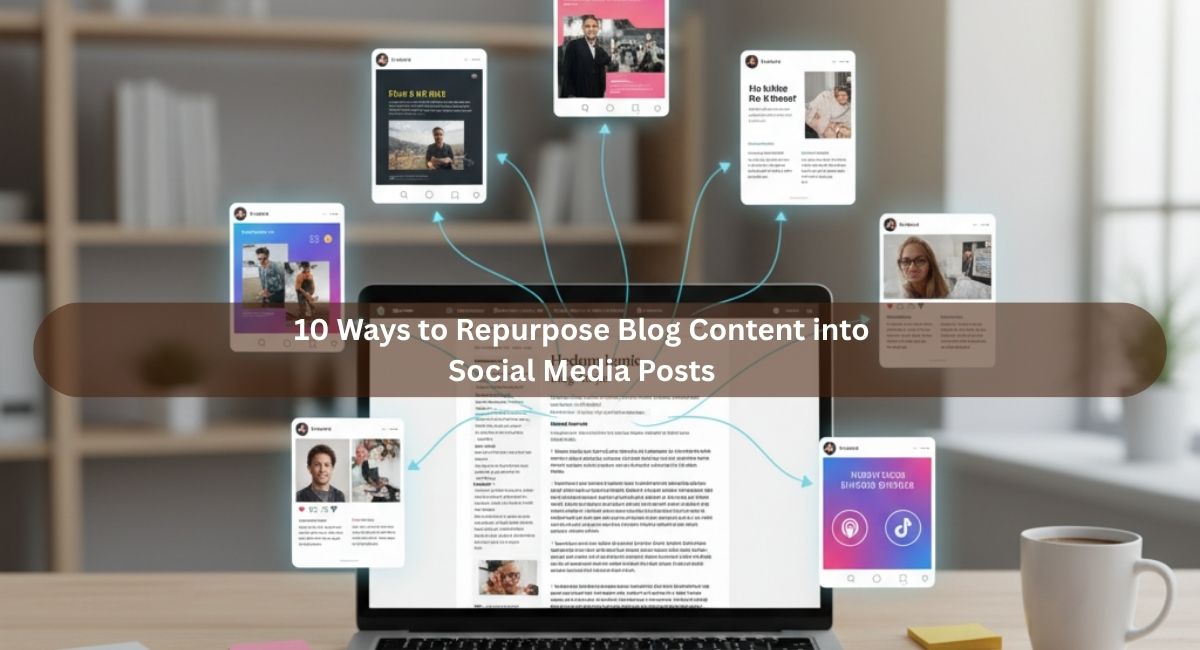
Creating high-quality blog content takes time, effort, and expertise. However, publishing a single blog post is only the beginning of its potential. By repurposing blog content for social media, you can reach wider audiences, increase engagement, and make the most of your marketing resources. This approach is an essential part of an effective social media strategy and content recycling plan. Businesses that want to leverage this strategy often rely on enterprise SEO services to ensure their content reaches the right audience efficiently.
Repurposing is not just about posting the same content in different formats; it is about tailoring your existing content to match the preferences, behaviors, and expectations of your social media audience. Some people prefer reading detailed posts on LinkedIn, while others enjoy short, visually engaging content on Instagram or TikTok. By transforming your blog content into various formats, you maximize engagement, reinforce brand consistency, and extend the content’s lifespan.
Why Repurposing Blog Content Is Valuable
Repurposing blog content serves multiple purposes. First, it saves time. Rather than creating new content from scratch, you transform your existing content for new platforms. Second, it helps improve SEO and brand authority. When blogs are cross-linked across social platforms and websites, search engines recognize your content as authoritative. Lastly, it strengthens your brand’s presence across multiple channels, which is vital in today’s crowded digital landscape.
For businesses investing in long-term growth, our conversion rate optimization services ensure that repurposed content not only engages audiences but also drives meaningful conversions, making every piece of content work harder for your brand.
1. Transform Blog Content into Infographics
Infographics are a powerful way to take complex, data-heavy, or step-by-step information from your blog and turn it into a visual story that is easy to consume and share. Unlike plain text, infographics allow audiences to quickly grasp key insights, statistics, and processes at a glance. They are particularly effective for social platforms like Pinterest and Instagram, where visually engaging content performs best.
To create an infographic from your blog:
- Start by identifying the most important takeaways, such as key statistics, lists, or actionable steps.
- Organize the content into a logical flow that makes sense visually, grouping similar information together.
- Use tools like Canva, Piktochart, or Adobe Express to design a polished, branded infographic.
- Include your brand logo subtly and a call-to-action that directs viewers to the original blog for more detailed information.
Infographics not only boost engagement and social shares but also become long-term assets that can be reused across multiple campaigns. For businesses, combining infographics with social media copywriting services ensures that captions are compelling and tailored to each platform.
Table Example: Infographic Mapping
| Blog Section | Social Media Format | Suggested Caption | Platform Recommendation |
| 5 Ways to Improve SEO | Infographic | “Boost your SEO with these 5 strategies!” | Pinterest, Instagram |
| Content Marketing Statistics | Data Visual | “Check out the latest engagement stats!” | LinkedIn, Twitter/X |
| Step-by-Step Tutorials | Illustrated Guide | “Follow these steps to enhance your workflow” | Instagram, LinkedIn |
2. Short Video Clips from Blogs
Video content dominates social media because it engages multiple senses and holds attention better than text alone. Blogs containing tips, tutorials, or insights can be adapted into short video clips ranging from 30 to 90 seconds.
To do this effectively:
- Break down your blog into individual key points or steps.
- Write a short script for each clip to ensure the message is clear and concise.
- Use visuals, text overlays, animations, or stock footage to enhance the message and make it more dynamic.
- Always include a strong call-to-action linking back to the original blog to drive traffic and provide more in-depth information.
For example, a blog titled “Top SEO Mistakes Businesses Make” can become a series of quick video clips, each addressing one mistake and how to fix it. Short-form videos thrive on TikTok, Instagram Reels, and YouTube Shorts, and with guidance from TikTok marketing services, businesses can optimize video content for maximum reach and engagement. Videos not only provide entertainment but also position your brand as knowledgeable and approachable.
3. Carousels for LinkedIn and Instagram
Carousels allow multiple pieces of content to be shared in a single post, giving users an interactive way to swipe through tips, strategies, or case studies. They are particularly effective for LinkedIn and Instagram where audiences are looking for both educational and visually engaging content.
To create a carousel:
- Identify 5–10 key points or insights from your blog.
- Design each slide to convey one idea clearly, incorporating visuals, icons, or charts to reinforce the message.
- The last slide should always encourage users to visit your blog for a more detailed explanation.
Carousels are excellent for building thought leadership, sharing step-by-step processes, or providing digestible chunks of complex content. Using this method, a single blog on marketing strategies could result in multiple slides, each highlighting a unique tip in a visually appealing format.
Carousel Repurposing Guide
| Blog Topic | Slides | Platform Recommendation | Visual Element |
| 10 Marketing Strategies | 10 | LinkedIn, Instagram | Icons and charts |
| Case Study Analysis | 5 | Facebook, LinkedIn | Graphs and images |
| How-To Guides | 6 | Instagram, LinkedIn | Step-by-step visuals |
4. Pull Quotes and Key Insights
Not all social media posts need to present an entire blog. Extracting standout quotes, surprising statistics, or actionable tips from a blog can create short, impactful posts that grab attention. Visual quotes are especially effective on Instagram and LinkedIn, where aesthetically designed images paired with powerful messaging can drive engagement.
To do this:
- Highlight 2–3 meaningful quotes from your blog.
- Design them into branded graphics.
- Pair them with captions that provide context or invite discussion.
Brands leveraging brand story writing services can ensure these quotes remain authentic, engaging, and consistent with the overall brand voice, making the content memorable for the audience.
5. Repurpose for Email Newsletters
Email newsletters provide a direct line to your audience and offer an opportunity to repurpose blog content in a format that nurtures leads.
To repurpose for email:
- Summarize your blog in a few concise paragraphs highlighting key takeaways and insights.
- Include visually appealing headers, images, or featured graphics.
- Add a call-to-action linking to the full blog post to encourage subscribers to explore the topic in depth.
Repurposing blogs into emails not only improves content reach but also reinforces your cross-platform marketing efforts, reminding your audience of your brand’s expertise. Keeping emails informative and valuable helps build trust, drive traffic to your website, and maintain regular communication with subscribers.
6. Podcast Episodes or Audio Content
The rise of podcasts and voice-driven content consumption presents a unique opportunity to repurpose blogs into audio formats.
To repurpose blogs into podcasts:
- Record yourself reading the blog aloud in a conversational tone.
- Add commentary, real-life examples, or expert interviews for extra value.
- Segment longer blogs into multiple episodes to maintain listener attention.
Audio content caters to audiences who prefer listening over reading, such as commuters, gym-goers, or multitaskers, expanding your reach. Podcasts also create opportunities for long-form storytelling, interviews, and discussion, reinforcing your brand authority. Repurposing blogs into audio complements written content and provides a multi-channel marketing approach.
7. Interactive Polls and Quizzes
Interactive content such as polls or quizzes turns passive readers into active participants, encouraging engagement and sharing.
To create interactive content:
- Extract key facts, statistics, or concepts from blogs.
- Create multiple-choice questions or true/false polls.
- Share the results or insights after the poll ends.
For example, a blog on SEO best practices could become a quiz asking, “Which SEO mistake do you avoid most often?” This method boosts engagement while reinforcing the blog’s message. Interactive content is particularly effective on Instagram Stories, LinkedIn polls, or Facebook, where engagement can also increase content visibility.
8. Threaded Posts on Twitter/X
Blogs with detailed information can be broken down into Twitter/X threads, allowing users to consume insights in bite-sized posts.
To create threads:
- Identify 5–10 key points or tips from your blog.
- Craft each tweet to deliver one idea clearly and concisely.
- Add visuals, GIFs, or charts to make the thread more engaging.
- Conclude with a link to the full blog.
Threads are ideal for tutorials, research summaries, or step-by-step guides, offering value to audiences who prefer short-form content but still want actionable insights.
9. Paid Ad Campaigns Using Blog Excerpts
Repurposed blog content can power effective paid advertising campaigns on social media platforms.
To use blogs for ads:
- Identify sections with actionable tips, eye-catching statistics, or attention-grabbing insights.
- Pair them with visually engaging ad creatives.
- Test variations to determine which messaging resonates most with your audience.
By turning blog content into ad campaigns, brands can reach new audiences and drive traffic to their website. Our Instagram ads services demonstrate how businesses can leverage blog content to maximize ad performance while maintaining consistent messaging across campaigns.
10. Story-Based Social Media Posts
Stories on Instagram, Facebook, or Snapchat offer an opportunity to share ephemeral, high-impact content derived from blogs.
To create story posts:
- Convert key points from your blog into 5–8 slides.
- Include interactive elements like polls, questions, or GIFs.
- Finish with a swipe-up or link to the full blog.
Stories are excellent for maintaining a consistent brand presence, especially in fast-moving social feeds. They provide urgency and immediacy, keeping audiences engaged while showcasing your expertise.
Table Example: Story Repurposing
| Blog Section | Story Slide Idea | Engagement Feature |
| Step-by-Step Guide | Slide per step | Poll for progress |
| Key Statistics | Visual chart | Swipe-up for full article |
| Tips & Tricks | Highlighted advice | Quiz or interactive CTA |
Best Practices for Effective Repurposing
- Ensure content aligns with your brand voice across all platforms.
- Adapt the format to suit platform-specific behavior.
- Monitor engagement metrics to determine which methods are most effective.
- Maintain originality to avoid duplicate content issues.
- Schedule repurposed content strategically using a content recycling calendar.
Businesses can also leverage conversion rate optimization services to ensure repurposed content converts engagement into tangible results like website visits, leads, or sales.
FAQs About Repurposing Content
Q: How many times can I repurpose a blog?
You can repurpose a single blog multiple times across different formats and platforms, as long as the content remains fresh and relevant. For example, a detailed blog post can be converted into a short video clip for TikTok, a carousel on Instagram, an infographic for Pinterest, a podcast episode, or even a series of stories for Facebook and Instagram. Each version allows you to present the same ideas in a new way, reaching different segments of your audience who may prefer certain content formats. The key is to avoid making the content repetitive and instead focus on presenting unique angles or highlighting different insights from the original post.
Q: Which social media platforms are most effective for repurposed content?
The effectiveness of repurposed content varies depending on the platform and audience behavior. Instagram and TikTok are ideal for visually rich content, short videos, and quick tips, while LinkedIn is better suited for professional insights, carousels, and long-form posts. Facebook works well for mixed content formats like videos, polls, and link shares, and Twitter/X thrives on threaded posts, short tips, and quotes. By understanding the preferred content type of each platform, you can ensure that repurposed content reaches the audience most likely to engage with it, increasing both visibility and impact.
Q: Will repurposing content impact SEO?
Yes, when done correctly, repurposing content can have a positive effect on SEO. Transforming a blog into multiple formats and linking each version back to the original post signals to search engines that your website provides valuable, authoritative information. This cross-linking increases internal site authority, drives more traffic to your main content, and can improve search rankings over time. The key is to maintain originality in each repurposed format while ensuring that it complements the original blog, rather than duplicating content.
Q: How often should I repurpose my blog content?
The frequency of repurposing depends on your content strategy, audience engagement, and marketing goals. High-performing blogs that consistently generate traffic can be repurposed seasonally, quarterly, or even multiple times throughout the year. For evergreen content, you might repurpose it more frequently across different channels to maintain visibility and reach new audiences. Monitoring analytics and engagement metrics will help determine the optimal timing for each repurposing effort, ensuring that your content stays relevant and continues to deliver value.
Q: Can repurposing help small businesses grow?
Absolutely. Repurposing content is a powerful strategy for small businesses with limited marketing resources. By recycling existing content into multiple formats, small teams can maintain a consistent online presence without creating new content from scratch. This approach allows businesses to reach broader audiences, engage customers across multiple platforms, and reinforce their messaging while saving time and effort. Properly executed content repurposing can help small businesses compete with larger brands by maximizing the reach and impact of every piece of content they produce.
Conclusion
Repurposing blog content is an effective strategy for maximizing the value of your digital marketing efforts. By transforming blogs into videos, infographics, carousels, quotes, podcasts, and stories, businesses can reach diverse audiences, enhance engagement, and support a robust social media strategy. Buzz Marketing provides professional guidance for content recycling, social media strategy, and SEO optimization. To start transforming your blogs into versatile social media assets, explore our blog writing services and see how content can drive measurable growth across platforms.