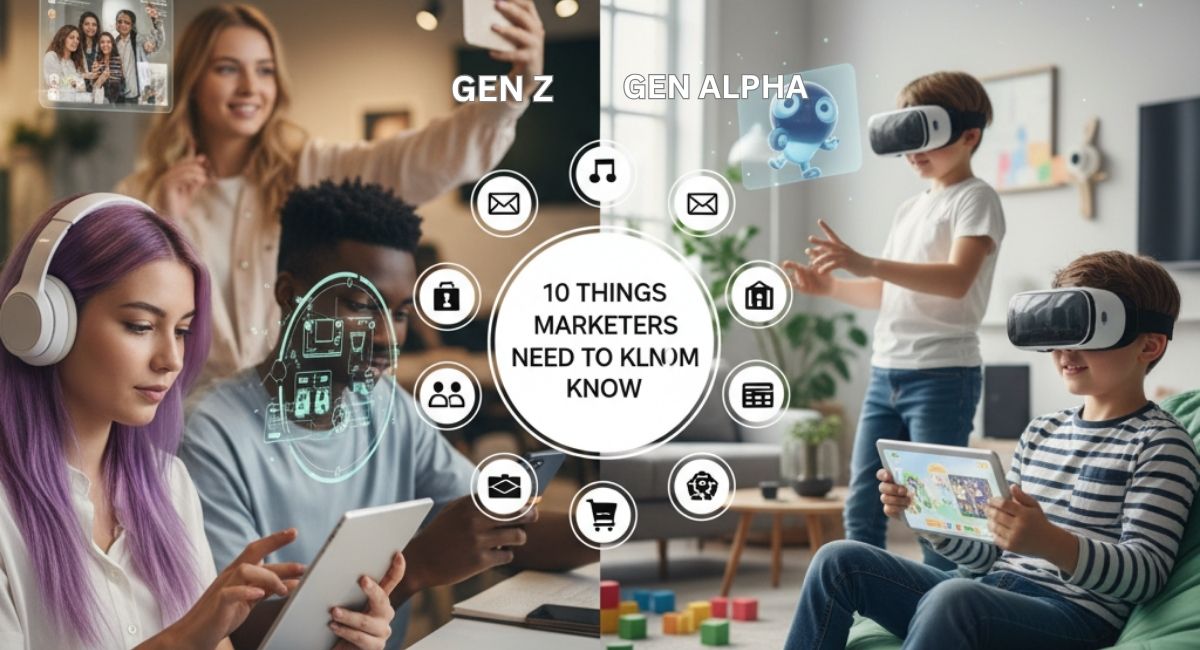
Marketing to younger generations has never been more dynamic. Both Gen Z and Gen Alpha are reshaping consumer behavior, digital trends, and brand expectations. For businesses aiming to stay competitive, understanding these audiences goes beyond tracking social media habits. It involves studying their cultural values, content consumption, and the way technology influences decision-making.
Brands that want to reach these groups must align their strategies with their digital-first lifestyle. This also means adapting web presence, social media campaigns, and advertising strategies. For instance,our SEO marketing services help businesses position themselves where Gen Z actively searches, while smart ecommerce web development ensures smooth buying experiences Gen Alpha expects.
This manual-style guide explores the behaviors, values, and patterns marketers need to study when targeting these generations.
Who Are Gen Z and Gen Alpha?
- Gen Z: Born between 1997 and 2012. They are the first generation to grow up fully digital, yet still value authenticity and human connection.
- Gen Alpha: Born from 2013 onwards. They are the first generation born into a world with AI, smart devices, and interactive media as part of daily life.
| Factor | Gen Z | Gen Alpha |
| Birth Years | 1997–2012 | 2013–2025 |
| Digital Adoption | Grew up with internet & social media | Born into AI, VR, AR, smart tech |
| Consumer Traits | Value authenticity, sustainability, inclusivity | Expect convenience, gamification, personalization |
| Key Platforms | TikTok, Instagram, YouTube, Snapchat | YouTube Kids, Roblox, gaming platforms, AR apps |
| Purchase Drivers | Peer influence, online reviews, creator culture | Gamified experiences, family influence, AI-driven suggestions |
1. The Role of Short-Form Content
Gen Z spends much of their digital time on TikTok, Instagram Reels, and YouTube Shorts. Attention spans are shrinking, but engagement with creative, quick, and authentic clips is soaring. Gen Alpha, influenced by gaming platforms and bite-sized learning content, is following this trend even earlier in life.
Marketers should focus on:
- Creating video content under 60 seconds.
- Using trending audio and interactive filters.
- Repurposing long-form videos into multiple short segments.
A well-designed strategy here ensures reach across both demographics.
2. Preference for Authenticity Over Perfection
Both groups dislike staged, over-polished brand messages. Instead, they want real storytelling, unfiltered opinions, and behind-the-scenes looks. Gen Z especially values brand activism that matches their ideals, while Gen Alpha connects with fun, relatable personalities.
For marketers, this means building campaigns that show transparency. Partnering with micro-influencers, for example, has become more effective than celebrity endorsements.
3. Influence of Gaming and Virtual Worlds
Gen Alpha is growing up inside virtual ecosystems like Roblox, Fortnite, and Minecraft. These worlds are not just games but also spaces for socializing, shopping, and brand interaction. Gen Z, while older, still participates in gaming communities and esports culture.
Marketing strategies should explore:
- Branded gaming experiences.
- In-game product placements.
- Interactive events in VR or AR spaces.
4. Shopping Habits and Social Commerce
Social commerce is rapidly expanding, and Gen Z is leading this wave by buying directly from Instagram, TikTok, or livestream events. Gen Alpha will likely normalize this behavior further, treating social apps as both entertainment and marketplaces.
Key insights:
- Gen Z checks reviews and UGC before purchase.
- Gen Alpha responds well to gamified shopping and reward-based interactions.
- Both prefer easy checkout systems and mobile-friendly design.
This is why investing in custom web development tailored to these behaviors is essential.
5. Environmental and Social Values
Gen Z strongly aligns with eco-conscious and socially responsible brands. They want proof of sustainable practices and expect brands to advocate for issues like climate change and equality. Gen Alpha, influenced by parents and schools, will grow up with similar if not stronger expectations.
This affects packaging, advertising messages, and brand loyalty. Companies that ignore these values risk losing trust.
6. Creator Economy and Peer Influence
Creators and influencers shape purchase behavior. Gen Z trusts creators more than traditional ads, and Gen Alpha is growing up with YouTubers and streamers as primary entertainment figures.
For marketers:
- Collaborate with niche creators who align with brand values.
- Create co-branded content that feels natural, not promotional.
- Leverage peer-driven referral programs.
7. The Shift Toward Personalization
AI-driven personalization is no longer optional. Gen Z already expects personalized shopping recommendations, while Gen Alpha will demand hyper-personalized experiences across apps, learning platforms, and games.
This involves collecting behavioral data ethically and using it to tailor content, products, and ads.
8. Content Formats That Drive Engagement
- For Gen Z: Memes, reaction videos, podcasts, reviews, how-to tutorials.
- For Gen Alpha: Animated explainers, gamified lessons, interactive quizzes, augmented reality experiences.
Brands that mix entertainment with education win loyalty early.
9. Privacy Expectations
Although digital natives, both generations are highly aware of online privacy. Gen Z has grown cautious about data sharing, while Gen Alpha’s parents actively control privacy measures.
Brands need to show clear data protection policies and avoid intrusive tracking.
10. Global and Local Culture Blending
Younger audiences embrace both global pop culture and hyper-local content. A K-pop band can trend alongside a regional meme. This blend creates space for brands to localize campaigns while still tapping into global digital movements.
For instance, brands that optimize their visibility with international SEO services can better capture cross-border consumer interest.
FAQs on Gen Z & Gen Alpha Marketing
Q1: What platforms are best for Gen Z marketing in 2025?
TikTok, Instagram, YouTube, and Snapchat remain top choices, but Discord and Twitch are gaining momentum.
Q2: How does Gen Alpha differ from Gen Z in consumer behavior?
Gen Z values authenticity, sustainability, and peer-driven influence, while Gen Alpha prefers gamified experiences, instant gratification, and AI-driven personalization.
Q3: How important is sustainability for younger audiences?
It’s highly significant. A large percentage of Gen Z avoids brands that don’t align with their environmental or social values.
Q4: Should marketers invest in metaverse marketing?
Yes, especially for Gen Alpha. Platforms like Roblox and VR events are becoming mainstream spaces for brand interaction.
Q5: What role does family play in Gen Alpha purchasing decisions?
Family influence is stronger with Gen Alpha, as parents control spending but often consider children’s preferences in digital purchases.
Final Thoughts
Marketing to Gen Z and Gen Alpha means understanding two generations that are digital-first, socially aware, and highly engaged with interactive experiences. Both expect personalization, transparency, and entertainment in brand interactions.
Businesses that adapt strategies around video, gaming, sustainability, and social commerce will thrive. If your brand wants to align with these shifts, partnering with experts who specialize in SEO marketing, content strategies, and advanced web development is the next step.
Future-focused marketing requires continuous adaptation, and Buzz Marketing helps brands stay ahead with data-driven insights and tailored solutions.