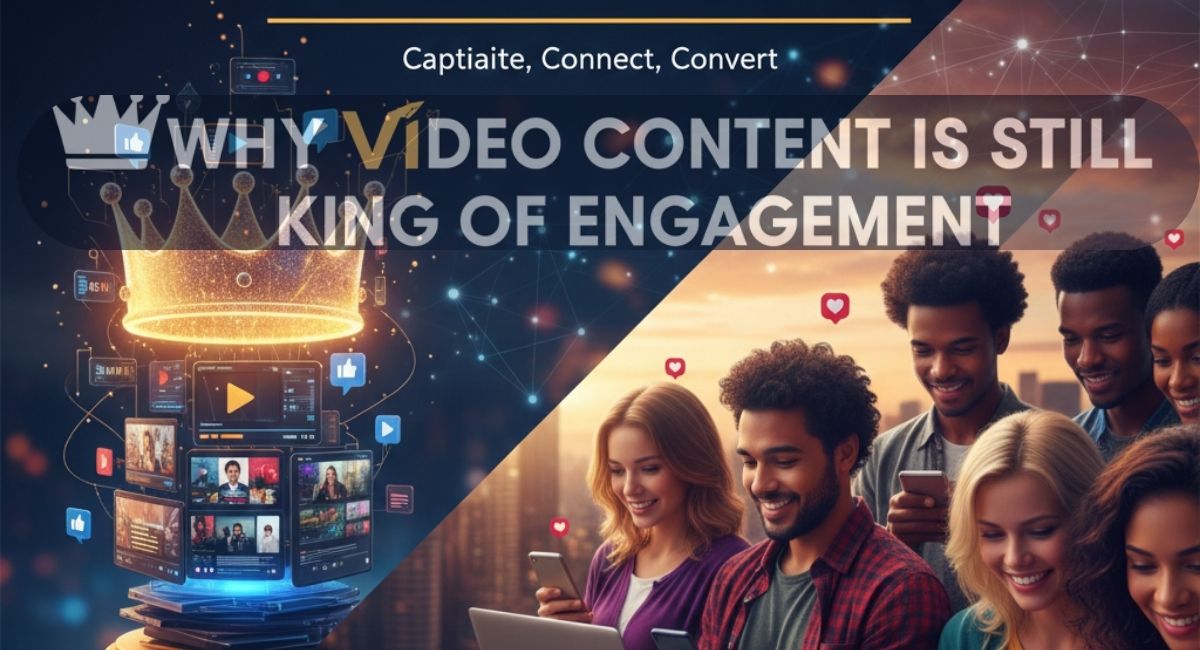
In the rapidly evolving world of digital marketing, video content continues to dominate audience attention across platforms and demographics. From social media feeds to corporate websites, videos generate higher engagement rates than static images or text-based content. Studies reveal that viewers retain 95% of a message when consumed through video compared to only 10% via text. For businesses looking to maximize brand awareness and conversions, understanding why video works better than text and how to implement effective video strategies is more important than ever.
For marketers seeking guidance, professional services such as TikTok marketing services or YouTube ads management provide expertise in video content creation and distribution, ensuring campaigns reach their target audience efficiently.
The Power of Video in Digital Marketing
Video content has evolved from simple tutorials or advertisements to a comprehensive tool for storytelling, education, and customer engagement. Several trends underline its continuing dominance:
- Short-form videos dominate platforms like TikTok, Instagram Reels, and YouTube Shorts, capturing attention within seconds.
- Long-form educational content builds trust and positions brands as authorities in their industry.
- Live streaming fosters real-time interaction, enhancing engagement and creating a sense of community.
Key Video Engagement Statistics 2025
| Statistic | Insight |
| Average retention rate for video viewers | 95% of the message retained compared to 10% for text |
| Social media video consumption | 82% of all internet traffic projected to be video-based |
| Conversion rate increase | Websites with video content experience 80% higher conversions |
| Short vs long-form engagement | Short videos maintain attention for 60-90 seconds; long-form videos work best for tutorials and webinars |
These numbers indicate that integrating video into a marketing strategy is no longer optional but essential for brands aiming to thrive in 2025 and beyond. Businesses offering services such as custom web development can leverage video to showcase projects, explain processes, and drive client engagement effectively.
Why Video Works Better Than Text
The superiority of video over text lies in several psychological and technical factors:
- Multi-sensory Stimulation: Video engages both visual and auditory senses, making content easier to process and remember.
- Emotional Connection: Through tone, facial expressions, and storytelling, videos can create a strong emotional resonance with viewers.
- Higher Sharing Potential: Video content is more likely to be shared on social media, increasing organic reach.
- Algorithmic Preference: Platforms like Instagram, TikTok, and YouTube prioritize video in feeds, enhancing visibility.
- Versatility: Videos can serve multiple purposes, including product demos, tutorials, testimonials, and live interactions.
For brands seeking to improve website performance, combining video with web content optimization services ensures faster loading, proper SEO integration, and better user experience.
Types of Video Content Driving Engagement
Short-form vs Long-form Videos
Short-form videos, typically under 90 seconds, are ideal for grabbing attention quickly and conveying concise messages. They are highly effective for social media platforms where users scroll rapidly through feeds. Long-form videos, on the other hand, are suitable for detailed tutorials, webinars, and case studies. They allow brands to demonstrate expertise and build trust over an extended viewing period.
Educational and Tutorial Videos
Instructional content is highly valued by audiences looking for solutions to specific problems. Educational videos not only position a brand as an authority but also encourage repeated visits and sharing.
Testimonial and Case Study Videos
Customer testimonials and success stories provide social proof, increasing credibility and influencing purchase decisions. These videos resonate particularly well in service-based industries.
Live Streaming and Interactive Videos
Live streams allow real-time engagement, where audiences can comment, ask questions, and interact directly with the brand. Interactive videos, such as polls and quizzes embedded in video content, further increase engagement and time spent on a website or platform.
Implementing a Video Marketing Strategy
Creating effective video content requires a strategic approach that balances creativity with measurable objectives. Here’s a step-by-step manual for marketers:
- Define Goals: Clarify whether the video aims to increase brand awareness, drive conversions, or educate the audience.
- Identify Target Audience: Understand demographics, interests, and behaviors to tailor content accordingly.
- Choose the Right Platform: Select platforms based on where the audience is most active. Short-form content thrives on TikTok and Instagram, while YouTube suits long-form educational videos.
- Plan Content: Storyboard or script the video to maintain clarity and engagement.
- Optimize for SEO: Include relevant keywords in video titles, descriptions, and metadata. Consider platforms like YouTube SEO and integrating structured data for web videos.
- Distribute and Promote: Use organic and paid strategies to maximize reach. Paid campaigns can include Instagram ads or YouTube advertising.
- Analyze Performance: Track engagement metrics such as watch time, shares, comments, click-through rates, and conversions to refine future campaigns.
Metrics to Track Video Engagement
Measuring video effectiveness is crucial to understand audience behavior and ROI. Key metrics include:
| Metric | Importance | Recommended Approach |
| View Count | Indicates reach | Track via platform analytics |
| Watch Time | Measures content retention | Focus on average watch duration |
| Engagement Rate | Combines likes, shares, and comments | Use for assessing emotional impact |
| Click-through Rate | Measures conversion potential | Embed clear links and CTAs |
| Social Shares | Indicates viral potential | Analyze which content type spreads fastest |
Understanding these metrics allows brands to adjust strategies in real-time, ensuring that every video contributes effectively to business objectives.
Video Content Trends in 2025
Several trends are shaping the future of video marketing:
- AI-Generated Video: Automates production while maintaining personalization.
- Shoppable Videos: Directly integrates e-commerce functionality for instant purchases.
- 360-Degree Videos and AR/VR: Creates immersive experiences for product demonstrations and virtual tours.
- Short-Form Dominance: Platforms like TikTok and Instagram Reels are driving shorter, attention-grabbing content that appeals to global audiences.
Brands leveraging these trends can achieve higher engagement rates and better return on investment. For example, companies offering ecommerce web development can integrate shoppable videos directly into product pages to increase sales.
Best Practices for Maximizing Video Engagement
- Keep intros short and engaging to capture attention within the first few seconds.
- Optimize mobile viewing since most video consumption occurs on smartphones.
- Use subtitles to improve accessibility and comprehension.
- Maintain a consistent posting schedule to build audience anticipation.
- Experiment with storytelling techniques to create emotional resonance.
Frequently Asked Questions
Why is video content more effective than text content for engagement?
Videos combine visual, auditory, and emotional elements, which make messages easier to remember and more likely to be shared.
What is the ideal length for a video in 2025?
Short-form videos under 90 seconds work best for social media, while educational content or webinars can range from 10 to 30 minutes depending on complexity.
How can I measure the ROI of video content?
Key performance indicators include watch time, engagement rate, click-through rate, social shares, and conversion metrics.
Should businesses invest in live video content?
Yes, live videos foster real-time interaction, enhance authenticity, and often drive higher engagement than pre-recorded content.
How does video help with SEO?
Videos increase time-on-page, reduce bounce rates, and provide additional keyword-optimized content through titles, descriptions, and transcripts, improving search rankings.
What is the difference between short and long-form video engagement?
Short-form content captures attention quickly and encourages sharing, while long-form videos build trust, provide in-depth knowledge, and are ideal for tutorials or thought leadership content.
Integrating Video into Broader Marketing Strategies
For businesses seeking comprehensive results, video content should be part of a wider marketing strategy. Combining video with services like enterprise SEO or conversion rate optimization ensures that videos drive both traffic and measurable business outcomes. Proper integration allows videos to enhance website performance, increase engagement on social channels, and boost conversions across campaigns.
Conclusion
Video content continues to be the most engaging and versatile form of digital communication. Its ability to convey complex information in an easily digestible and emotionally resonant way makes it indispensable for brands seeking to connect with audiences worldwide. By understanding engagement trends, leveraging both short-form and long-form formats, and integrating video into broader marketing strategies, businesses can achieve sustained growth and higher conversions.
Partnering with professional agencies like Buzz Marketing provides expert guidance in creating, optimizing, and distributing video content. Services including custom web development and TikTok marketing ensure your video campaigns reach the right audience and drive measurable results.