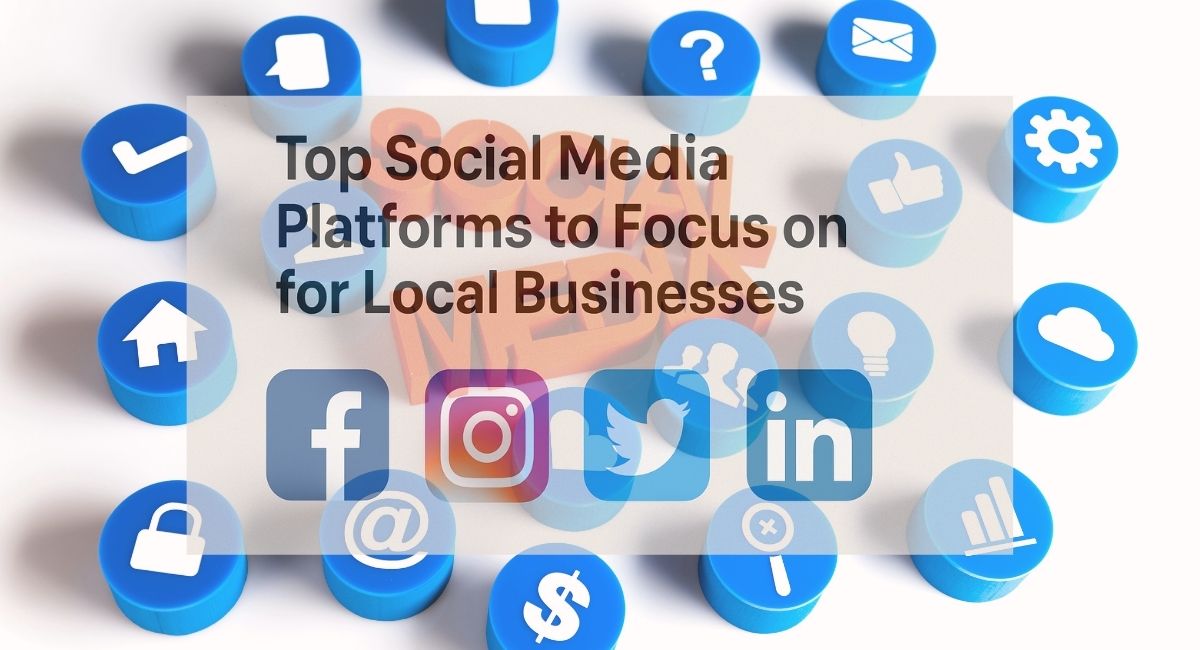
Building visibility for a local business today depends heavily on how well you use social media. Whether you run a neighborhood café, a small fitness studio, or a boutique, your customers are already scrolling online and making decisions about where to spend their time and money. Choosing the right social media platforms is not just about posting pretty pictures. It is about creating real engagement, building trust, and guiding people to take action. In this guide, we will explore the top platforms that can give local businesses an edge, along with practical tips, examples, and strategies.
For businesses that are just starting with social media, pairing it with a strong local SEO plan can maximize visibility both online and offline. A smart mix of platforms and optimization ensures that your brand gets noticed where your audience spends most of their time.
Why Social Media Matters for Local Businesses
Unlike global brands with huge budgets, local businesses thrive on building personal connections. Social media allows small business owners to:
- Create community engagement
- Show authenticity through storytelling
- Share local events, offers, and updates in real time
- Gather customer reviews and feedback
- Drive direct traffic to websites or online shops
It works as a bridge between your physical presence and your digital storefront.
Quick Comparison of Major Social Platforms for Local Businesses
Here is a simple table comparing top platforms based on their audience type and usage style:
| Platform | Audience Reach | Best for | Content Style | Advertising Options |
| Wide range (25–55+) | Local events, community groups, reviews | Posts, stories, videos, lives | Strong targeting with paid ads | |
| Younger audience (18–35) | Visual products, lifestyle brands | Reels, stories, carousel posts | Instagram ads, influencer collabs | |
| TikTok | Gen Z & Millennials | Creative short videos, trends | Short-form video, challenges | TikTok ads with geo-targeting |
| Professionals, B2B | Services, networking, recruitment | Articles, posts, thought leadership | Sponsored posts, InMail | |
| YouTube | All age groups | Tutorials, reviews, product demos | Long-form and shorts video | YouTube ads, channel branding |
| Twitter (X) | Fast updates | News-driven local updates | Short posts, threads, polls | Promoted tweets, trends |
Now let’s go deeper into how each platform works for local businesses.
Facebook for Community Engagement
Facebook continues to be the most widely used platform for local businesses. Its ability to bring people together through groups, pages, and events makes it a valuable tool for building loyalty.
- Local businesses can use Facebook events to promote openings, special promotions, or seasonal offers.
- Reviews and recommendations are powerful here because customers often check a Facebook page before visiting a store.
- Running Facebook and Instagram ads with location targeting ensures that only people within your area see your promotions.
Businesses in food, wellness, or retail benefit the most because Facebook supports visual, interactive, and review-driven content.
Instagram for Visual Storytelling
Instagram is highly effective for businesses that rely on visuals, such as fashion boutiques, beauty salons, or restaurants. Its audience skews younger, making it great for brands that want to connect with millennials and Gen Z.
- Instagram Stories and Reels help capture attention quickly.
- Collaborating with local influencers can build immediate visibility.
- User-generated content, such as customers sharing their meals or outfits, creates authentic exposure.
To make Instagram work, consistency is important. Posting engaging content, responding to comments, and using geotags ensures visibility in your local area. For businesses already running ecommerce, pairing Instagram marketing with Shopify web development creates a smooth buying journey.
TikTok for Creative Local Promotion
TikTok has quickly become a go-to platform for businesses that want fast traction. With its focus on short videos and trends, local businesses can showcase creativity while still targeting their audience within a specific region.
- Restaurants can share quick recipe videos or behind-the-scenes clips.
- Fitness trainers can post workout tips or transformation stories.
- Local artists and service providers can join trending challenges to gain exposure.
Geo-targeting in TikTok ads allows small businesses to only show ads to nearby users, making it a cost-effective option.
LinkedIn for Service-based Local Businesses
For B2B-focused businesses, LinkedIn is an underused but powerful platform. Local law firms, consultancy agencies, software companies, or financial advisors can leverage LinkedIn to grow trust and generate leads.
- Posting case studies, client success stories, and industry updates helps build authority.
- Sponsored posts and targeted LinkedIn ads are effective for reaching decision-makers.
- Networking within local groups or industry-specific communities can lead to direct partnerships.
Pairing LinkedIn strategies with ad copywriting services can help businesses craft professional, persuasive messages that convert.
YouTube for Long-form and Educational Content
YouTube is the second-largest search engine after Google, and it offers immense opportunities for local businesses to showcase expertise.
- Tutorials, product demonstrations, and customer testimonials perform very well.
- A local fitness trainer, for example, can build a subscriber base through workout videos while promoting their studio.
- Optimizing videos with keywords like “near me” or city-specific tags increases discoverability.
YouTube ads are also affordable for local businesses looking to boost brand recall.
Twitter (X) for Fast Communication
Although Twitter is not the first choice for many small businesses, it is highly effective for those who thrive on real-time interaction.
- Restaurants can update daily specials.
- Event organizers can share live updates or announcements.
- Local government offices, NGOs, and educational institutions can use it for public communication.
The immediacy of Twitter makes it valuable for reputation management and staying relevant during trending topics.
Tips for Choosing the Right Platform
With so many options, choosing platforms wisely prevents wasted effort. Consider:
- Where your target audience spends most of their time
- The type of content you can consistently create (videos, photos, blogs, etc.)
- Advertising budget for paid campaigns
- Integration with your website or ecommerce setup
Businesses that want to maximize results should combine two to three platforms instead of spreading themselves too thin. For example:
- A restaurant might use Instagram and TikTok for visuals, and Facebook for events.
- A consultancy might use LinkedIn and YouTube for authority building.
Building a Content Plan Across Platforms
A clear strategy ensures that social media does not become random posting. Here are steps to create a sustainable plan:
- Define audience personas (age, interests, location).
- Align posts with seasons, events, or cultural trends in your city.
- Use a mix of organic posting and paid ads.
- Repurpose content across platforms (a YouTube video can be shortened into Instagram Reels).
- Track performance using insights and analytics to refine future posts.
For long-term success, integrating social media campaigns with website management ensures that your traffic has a smooth path to conversion.
FAQs on Social Media for Local Businesses
Which social media platform works best for small local businesses?
Facebook and Instagram are generally the most effective for local businesses because of their targeting options and wide audience reach. However, the right platform depends on your industry.
How often should a local business post on social media?
Consistency matters more than frequency. Posting 3–5 times a week with engaging content is better than posting daily without quality.
Do local businesses need paid ads?
Yes, paid ads are often necessary to reach beyond your existing followers. Even small budgets can generate strong results when targeted locally.
Is TikTok worth it for small businesses?
Yes, if your audience is younger and your product or service can be showcased in creative, short videos, TikTok is an excellent option.
How can local businesses measure social media success?
Track engagement, leads generated, website clicks, and customer inquiries. Social media metrics like reach, impressions, and comments should align with business goals.
Final Thoughts
Social media platforms offer local businesses a unique opportunity to connect with audiences on a personal level. From community-driven engagement on Facebook to visual storytelling on Instagram, creative short videos on TikTok, and authority-building on LinkedIn, the choice depends on your business model and audience.
The key is not being everywhere but being consistent where it matters. Combine strong content, paid campaigns, and a solid website to create a full marketing ecosystem. For businesses looking to refine their online presence, partnering with experts like Buzz Marketing ensures that strategies are not only effective but also sustainable.