
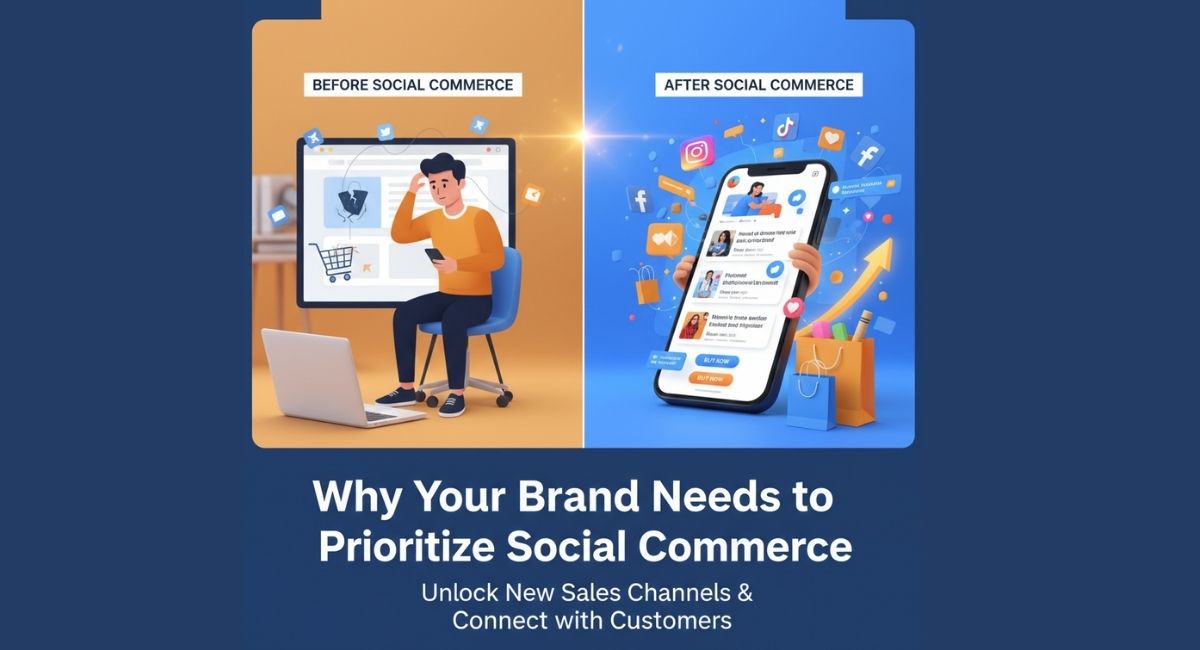
The landscape of digital marketing is evolving rapidly, and brands worldwide are rethinking how they engage with audiences online. Social commerce, the integration of e-commerce and social media platforms, has emerged as one of the most effective ways to connect with consumers and drive revenue. Unlike traditional e-commerce, social commerce allows users to discover, evaluate, and purchase products directly through social platforms such as Instagram, TikTok, Facebook, and Pinterest. For brands looking to expand globally, understanding why social commerce is vital is no longer optional; it is a strategic necessity.
To implement a strong social commerce strategy, brands often benefit from professional guidance. Services like custom web development and ecommerce web development ensure that your online storefront integrates seamlessly with social platforms, enabling smooth transactions and consistent customer experiences. Similarly, our Instagram Ads services help brands reach highly engaged audiences while driving conversions directly through social channels.
Understanding Social Commerce
Social commerce is more than just selling products online through social media; it represents a shift in consumer behavior and digital strategy. Shoppers no longer follow a linear path from discovery to purchase. Platforms like Instagram and TikTok allow for a full transactional experience within the app. Video content, live streaming, and interactive posts enhance engagement, encouraging users to explore and purchase without leaving the platform.
Key Advantages of Social Commerce
- Direct Sales Opportunities: Brands can sell products directly without redirecting users to a website, reducing friction in the purchase process.
- Enhanced Engagement: Video content, polls, and live streams increase interaction and improve conversion rates. Studies show that video content engagement is projected to increase significantly by 2025.
- Consumer Insights: Social commerce provides access to rich behavioral data, allowing brands to tailor offerings and marketing strategies effectively.
- Global Reach: Platforms provide access to international audiences, supporting cross-border sales with integrated payment solutions.
Brands that combine social media copywriting with visually engaging posts are able to craft messages that resonate and convert audiences efficiently. Services like social media copywriting help businesses create content that is persuasive, relatable, and optimized for sales within the platform ecosystem.
Social Commerce vs Traditional E-Commerce
To understand the growing importance of social commerce, it is useful to compare it with traditional e-commerce:
| Feature | Traditional E-Commerce | Social Commerce |
|---|---|---|
| Discovery | Search engines or direct traffic | Social media feeds, influencers, and ads |
| Purchase Path | Often redirects to a website | Transaction completed within the platform |
| Engagement | Limited to email or retargeting | Interactive content, polls, live streams, and videos |
| Data Insights | Analytics limited to website | Real-time behavioral data on social engagement |
| Marketing Integration | SEO, paid search, email campaigns | Paid social ads, influencer marketing, content marketing |
| Conversion Potential | Moderate to high depending on SEO | High due to immediate intent-driven discovery |
The table highlights why brands that invest in social commerce are more likely to capture impulse buyers and younger demographics who prefer shopping within the platforms they already engage with daily.
Key Social Commerce Platforms
Instagram and Facebook
With integrated shopping features, Instagram and Facebook allow brands to create product catalogs, tag products in posts, and offer in-app checkout. Studies show that posts featuring products directly generate higher conversion rates than traditional website redirects.
TikTok
TikTok’s algorithm and short-form video content create organic reach opportunities for brands. TikTok’s shoppable ads and live stream commerce options allow brands to drive direct sales while leveraging entertainment-driven engagement. Brands can benefit from professional TikTok marketing services to craft campaigns that align with trends and increase visibility.
Pinterest allows brands to target consumers at the discovery phase, combining inspiration with purchase intent. Product pins with direct links to checkout pages enhance the seamless shopping experience.
YouTube
Video content is increasingly influential in purchase decisions. YouTube commerce integrates clickable product cards and in-video links, allowing viewers to explore and purchase products without leaving the platform.
Key Statistics Supporting Social Commerce
- 80% of social media users research products on platforms before purchasing elsewhere.
- Short-form videos generate higher engagement than traditional photo posts, influencing purchasing behavior.
- Platforms with in-app checkout options see up to 30% higher conversion rates compared to redirect-based models.
Creating a Social Commerce Strategy
Implementing social commerce requires a clear strategy that combines content, advertising, and technology. Below is a step-by-step guide for brands:
Step 1: Platform Selection
- Identify platforms where your target audience spends the most time.
- Consider platform features such as shoppable posts, live commerce, and video engagement tools.
Step 2: Content Planning
- Develop a mix of short-form and long-form video content based on engagement statistics for 2025.
- Leverage influencer partnerships to extend reach and authenticity.
- Craft engaging captions, product descriptions, and calls-to-action optimized for conversions.
Step 3: Technical Setup
- Ensure that your online storefront integrates with social commerce platforms. Services like Shopify web development or WooCommerce development can provide robust, scalable solutions.
- Optimize product listings for search within the platform, including high-quality images, relevant keywords, and accurate descriptions.
Step 4: Paid Advertising
- Use targeted ad campaigns on Instagram, TikTok, and Facebook to reach high-intent audiences.
- Split campaigns to test short-form versus long-form videos for engagement and conversion metrics.
- Monitor ad performance and adjust targeting based on engagement and ROI.
Step 5: Analytics and Optimization
- Track engagement, click-through rates, and in-app conversions.
- Use insights to refine content, optimize ad spend, and improve product listings.
- Consider conversion rate optimization services to maximize the effectiveness of social commerce campaigns.
Below is a sample table outlining metrics for social commerce performance evaluation:
| Metric | Description | Recommended Frequency |
|---|---|---|
| Engagement Rate | Likes, comments, shares per post | Weekly |
| Video Completion Rate | Percentage of viewers watching full videos | Weekly |
| Click-Through Rate (CTR) | Clicks on shoppable links | Weekly |
| Conversion Rate | Percentage of visitors making a purchase | Monthly |
| Return on Ad Spend (ROAS) | Revenue generated per ad dollar spent | Monthly |
Leveraging Video Content
Video has emerged as a critical tool in social commerce. Research shows that video content drives higher engagement than static images or text posts. Brands should balance short-form videos like Reels or TikTok clips with longer, tutorial-style content to maximize both discovery and conversion. Video also allows for storytelling, product demonstrations, and live interactions that build trust and influence purchase decisions.
Integrating Social Commerce with SEO and Marketing
Social commerce does not operate in isolation. Optimizing product listings for platform search, using relevant keywords, and combining social campaigns with SEO strategies ensures visibility and reach. Services like enterprise SEO services and ecommerce SEO services can help brands rank higher, attract qualified traffic, and complement social commerce initiatives.
Common Challenges and Solutions
Challenge 1: Platform Algorithm Changes
Social platforms frequently update algorithms, affecting content visibility.
Solution: Monitor trends, adapt posting schedules, and invest in paid campaigns to maintain reach.
Challenge 2: Managing Multi-Platform Operations
Running campaigns across multiple platforms can be resource-intensive.
Solution: Use integrated tools and professional services for management and analytics.
Challenge 3: Ensuring Seamless Checkout
Abandoned carts are common if checkout is complicated.
Solution: Utilize in-app purchasing features and optimize payment processes to reduce friction.
Challenge 4: Measuring ROI
Attributing sales accurately across platforms can be difficult.
Solution: Implement tracking systems and dashboards to monitor engagement, click-throughs, and purchases.
Final Thoughts
Social commerce is transforming the way brands engage with customers and generate revenue. By integrating shopping capabilities within social media platforms, leveraging video content, and optimizing campaigns through analytics, brands can create a direct, interactive, and conversion-focused customer experience. Professional services like custom web development, Instagram Ads management, and conversion rate optimization ensure that social commerce initiatives are effective and scalable.
Brands that prioritize social commerce will not only increase sales but also build meaningful connections with global audiences. Partnering with experts such as Buzz Marketing Agency helps businesses navigate the evolving social commerce landscape, ensuring measurable growth and sustainable engagement.
Fraquently Asked Questions
1. What is the difference between social commerce and traditional e-commerce?
Social commerce allows transactions to happen directly on social media platforms, whereas traditional e-commerce typically requires users to visit a separate website.
2. How important is video content for social commerce?
Video content is highly effective because it captures attention, demonstrates products, and encourages engagement. Short-form videos have higher completion rates, while long-form videos build trust and provide detailed information.
3. Which platforms are best for social commerce in 2026?
Instagram, TikTok, Facebook, Pinterest, and YouTube remain top platforms, each offering unique engagement and transactional features.
4. Can small brands compete with large enterprises in social commerce?
Yes, with targeted content, influencer partnerships, and optimized ads, smaller brands can reach niche audiences effectively.
5. How do I track the success of social commerce campaigns?
Key metrics include engagement rate, video completion rate, click-through rate, conversion rate, and return on ad spend.
Helpful Resources
- Content Strategy for Social Media
- Top Social Media Platforms to Focus On for Local Businesses
- Shoppable Social Media Content That Converts
- How to Use TikTok Reels for Product Launches
Investing in social commerce is no longer optional for brands looking to thrive globally. By combining strategy, creative content, and professional support, businesses can maximize revenue, expand reach, and engage audiences effectively in 2026 and beyond.