Healthcare revenue cycle management has entered a phase where digital visibility directly shapes business growth. Hospitals, clinics, and healthcare systems now rely heavily on search engines when evaluating billing partners, outsourcing providers, and revenue optimization services. This behavior has made SEO a core part of how RCM companies attract and convert clients.
The shift is not just about being present online. It is about being visible for the right searches at the right stage of decision-making. A healthcare administrator searching for “denial management solutions” is not browsing casually. They are actively evaluating providers. If your website does not appear in that moment, the opportunity moves to a competitor.
Companies like eBridge RCM reflect how strong positioning in search results aligns with credibility in healthcare billing. At the same time, structured strategies such as SEO marketing services help RCM companies move beyond guesswork and build measurable growth through search.
This article explores how healthcare RCM SEO works in practice, how keyword rankings should be interpreted, and how real traffic growth happens using data-backed insights rather than assumptions.
Why SEO Plays a Direct Role in Healthcare RCM Growth
Healthcare is not an impulse-driven industry. Decisions around revenue cycle management involve multiple stakeholders, long evaluation cycles, and high financial impact. This makes search behavior more deliberate and research-focused.
When decision-makers search for billing partners, they often use highly specific queries. These searches reflect clear intent, whether it is exploring outsourcing options or comparing vendors. Appearing in these search results is not just about visibility. It is about entering the consideration stage early.
SEO helps RCM companies build that early presence. It also creates a consistent flow of inbound opportunities without relying entirely on outbound sales. Over time, this reduces acquisition costs and improves lead quality.
However, ranking alone does not guarantee results. Many healthcare websites rank for keywords but fail to convert traffic. The missing link is understanding how keyword performance connects with user intent and engagement.
Understanding Keyword Rankings in Healthcare RCM SEO
Keyword rankings are often treated as the main indicator of SEO success, but in healthcare RCM, they only tell part of the story. A keyword in position three may drive more qualified traffic than a keyword in position one if the intent is better aligned.
Healthcare SEO requires a layered understanding of keywords. Some searches indicate strong commercial intent, while others reflect research or learning stages. For example, a query about outsourcing medical billing services suggests readiness to engage, while a search about how billing works reflects early-stage awareness.
The real value comes from mapping keywords to the user journey. This allows content to meet users where they are instead of forcing them into a single conversion path.
A practical perspective on how keyword movement impacts performance can be seen in tracking keyword growth in medical billing. It explains how ranking changes translate into visibility and engagement, rather than just reporting position shifts.
Using Search Console Insights to Improve RCM SEO Performance
Google Search Console offers a detailed view of how users interact with your content. For healthcare RCM companies, this data can highlight gaps that are not visible through ranking tools alone.
One of the most valuable insights comes from query patterns. Instead of focusing on single keywords, Search Console shows how groups of related searches connect to a page. This helps identify whether content truly matches user intent.
Another important signal is click-through rate. A page may appear frequently in search results but receive fewer clicks. This usually points to issues with how the page is presented in search, such as unclear titles or weak descriptions.
Search Console also reveals which pages are gaining traction over time. This helps prioritize updates and improvements based on actual performance data.
A deeper explanation of how to use these insights strategically is covered in SEO strategies for healthcare RCM companies, where data is tied directly to growth planning.
Moving from Keyword Rankings to Real Traffic Growth
Traffic growth in healthcare RCM SEO is the result of alignment. It happens when content, intent, and technical performance work together consistently.
One of the strongest drivers is content built around real healthcare workflows. Decision-makers are not looking for general explanations. They want clarity on how services work in practice. Content that explains claim processing, denial management, or billing cycles in detail tends to perform better because it reflects real-world needs.
Another important factor is how content is connected internally. Search engines rely on internal linking to understand relationships between topics. A well-structured website allows authority to flow between pages, strengthening overall visibility.
Technical performance also plays a role. Websites that load quickly and function smoothly across devices tend to retain users longer. This improves engagement signals, which indirectly supports rankings.
These elements are often addressed through structured approaches such as technical SEO services and enterprise SEO services, especially for larger healthcare organizations managing complex websites.
Real-World SEO Patterns in Healthcare RCM
Looking at established platforms, certain patterns become clear. Successful healthcare RCM websites do not rely on isolated tactics; instead, they build consistency across content, structure, and messaging.
One noticeable pattern is the depth of service pages. Instead of brief descriptions, high-performing pages explain processes, outcomes, and use cases. This helps both users and search engines understand the value being offered.
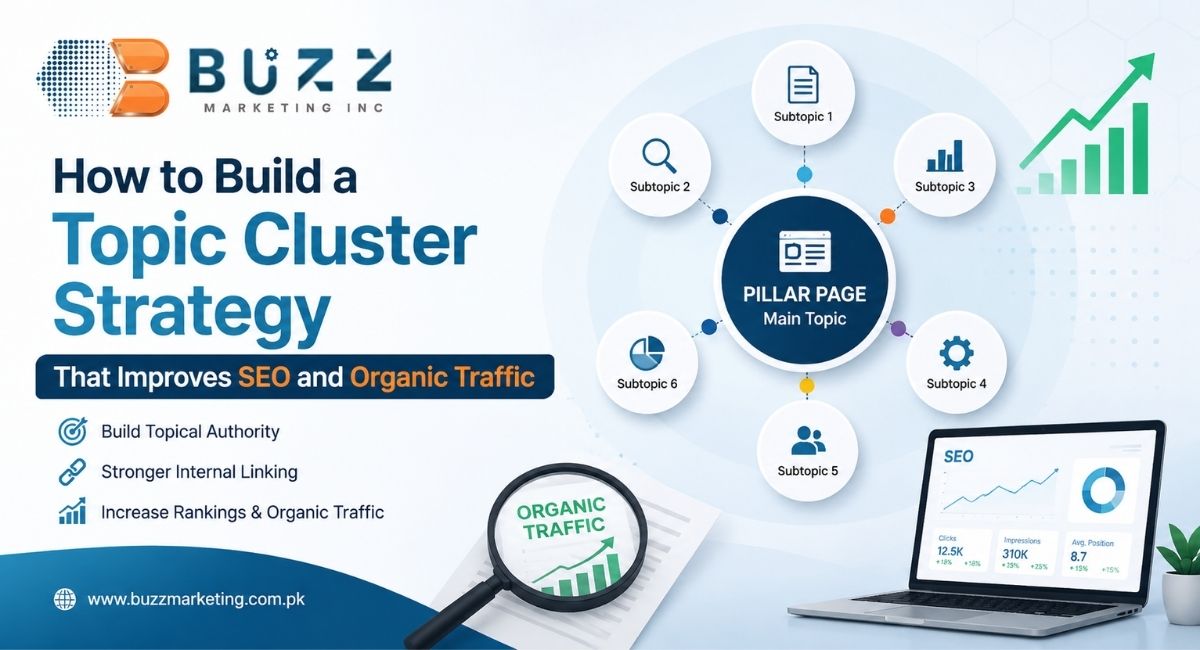
Another pattern is the use of content clusters. Topics related to billing, claims, and compliance are grouped together, creating a network of related pages. This strengthens topical authority and improves visibility across multiple queries.
Long-tail keywords also play a major role. Instead of competing for broad terms, successful websites focus on specific phrases that reflect real search behavior. These queries may have lower search volume but often bring more qualified traffic.
The Role of AI in Healthcare RCM SEO
Search engines have evolved significantly with the integration of AI. They now interpret content based on meaning rather than exact keyword usage. This has changed how healthcare SEO strategies are built.
Instead of repeating keywords, content now needs to cover topics in a comprehensive and structured way. This means addressing related questions, providing context, and connecting ideas logically.
AI-driven search also favors content that is easy to understand and directly useful. Complex healthcare topics need to be explained in a way that balances accuracy with clarity.
The shift toward AI-based search is explained in what is AI SEO for businesses, which highlights how modern optimization focuses on intent and semantic relevance rather than keyword density.
Measuring What Actually Matters in RCM SEO
Healthcare RCM SEO should always be tied to business outcomes. Traffic alone does not indicate success unless it leads to engagement and conversions.
Metrics that matter include how many visitors take action, how keywords contribute to lead generation, and how content supports the decision-making process. Tracking these elements provides a clearer picture of performance than rankings alone.
Over time, strong SEO also leads to increased brand recognition. When users begin searching directly for a company name after interacting with its content, it reflects growing authority in the market.
Common Challenges That Limit SEO Growth in RCM
Many healthcare RCM websites face similar challenges when trying to grow through SEO. One common issue is focusing only on service pages without supporting content. This limits visibility in early-stage searches.
Another challenge is inconsistent content updates. Healthcare information evolves, and outdated pages can reduce credibility. Regular updates based on performance data help maintain relevance.
Technical limitations can also affect growth. Issues related to site structure, indexing, or speed often go unnoticed but have a significant impact on performance.
Addressing these challenges requires a structured approach, often starting with a detailed SEO audit to identify gaps and prioritize improvements.
FAQs on Healthcare RCM SEO and Traffic Growth
How long does it take to see results from healthcare RCM SEO?
Most websites start seeing measurable improvements within three to six months, depending on competition and the quality of implementation.
Why do some keywords rank but fail to bring traffic?
This usually happens when the keyword intent does not match what users are actually looking for, or when the page does not encourage clicks.
What type of content performs best in healthcare billing SEO?
Content that explains real processes, addresses common challenges, and provides practical insights tends to perform better than generic descriptions.
How important is technical SEO for RCM websites?
It plays a major role. Without a strong technical foundation, even high-quality content may struggle to perform.
Final Thoughts
Healthcare RCM SEO has become a structured discipline that goes beyond keyword tracking. It requires a clear understanding of user intent, consistent use of data insights, and a strong technical foundation.
Platforms like eBridge RCM show how effective positioning in search can support credibility and long-term growth. When combined with structured strategies such as SEO marketing services, technical SEO services, enterprise SEO services, and SEO audit processes, healthcare RCM companies can build a strong and sustainable search presence.
For organizations looking to improve medical billing traffic growth, the focus should remain on data-backed decisions, not assumptions. With the right structure in place, SEO becomes more than a marketing channel. It becomes a long-term growth system.
Buzz Marketing continues to support businesses in building that system through performance-focused SEO strategies tailored for competitive industries like healthcare RCM.