In the constantly evolving landscape of digital marketing, knowing whether a campaign is performing well requires more than just observing likes or clicks. Marketers today rely on well-chosen Key Performance Indicators (KPIs) that measure real progress toward business objectives. The best KPIs for measuring digital campaign success not only show how campaigns perform but also reveal where improvements can lead to stronger ROI, better engagement, and sustainable growth.
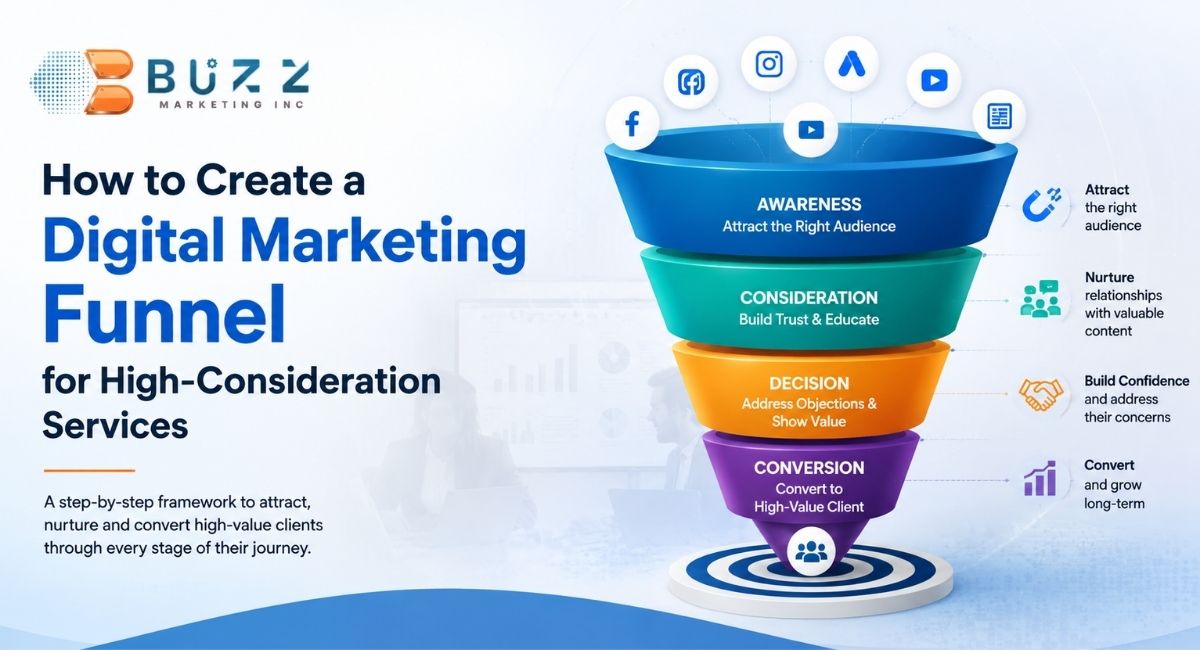
Understanding KPIs is a foundational part of any data-driven strategy. For instance, when brands partner with expert teams such as Buzz Marketing, they can analyze KPIs that go beyond surface-level metrics to identify what truly drives conversions and brand loyalty. This guide explains the most effective KPIs for digital campaigns, how to select the right ones for your goals, and how to interpret them to improve future strategies.
Understanding KPIs in Digital Marketing
A Key Performance Indicator (KPI) is a measurable value that reflects how effectively a campaign meets its set objectives. In digital marketing, KPIs help track everything from awareness to acquisition and retention. Instead of guessing what works, marketers can use KPIs to make data-backed decisions and optimize future campaigns.
However, not every metric qualifies as a KPI. For instance, a social media post’s impressions might look impressive, but if the campaign’s goal is conversions, impressions alone aren’t an accurate measure of success. The right KPIs depend on your campaign’s intent—whether it’s to drive sales, generate leads, increase engagement, or improve visibility.
Below is an example of how campaign goals align with different KPIs:
| Campaign Goal | Primary KPIs | Supporting Metrics |
| Increase brand awareness | Impressions, Reach, Share of Voice | Follower Growth, Website Visits |
| Generate leads | Conversion Rate, Cost per Lead (CPL) | Landing Page Views, Time on Page |
| Drive sales | ROI, ROAS (Return on Ad Spend), CTR | Average Order Value, Cart Abandonment Rate |
| Boost engagement | Engagement Rate, Click-through Rate | Shares, Comments, Saves |
| Improve retention | Customer Lifetime Value (CLV), Repeat Purchase Rate | Email Open Rate, Churn Rate |
This table illustrates that KPIs differ across objectives, but all aim to measure the tangible impact of marketing activities.
The Foundation: How to Choose the Right KPIs
Before listing specific KPIs, it’s important to understand the principles of choosing them. Not every campaign benefits from tracking dozens of data points; instead, focus on a select few that directly relate to your marketing goals.
When selecting KPIs, ensure they are:
- Aligned with goals – Match KPIs to the purpose of your campaign, such as awareness or conversions.
- Quantifiable – Choose metrics that can be measured numerically, such as conversion rate or click-through rate.
- Actionable – Use KPIs that guide decision-making rather than vanity numbers.
- Time-bound – Define a clear timeframe for tracking progress.
- Reliable – Use verified data sources and analytics tools.
Companies often use customized KPI dashboards integrated with tools like Google Analytics, HubSpot, and Meta Ads Manager to track these metrics in real time. Agencies likeBuzz Marketing’s SEO marketing services often help businesses interpret this data accurately and align it with performance goals.
Best KPIs for Measuring Digital Campaign Success in 2025
As digital ecosystems evolve, so do the ways campaigns are measured. The following KPIs remain the most relevant and valuable for 2025’s digital landscape.
1. Conversion Rate (CR)
Conversion rate measures the percentage of users who take a desired action—purchasing, signing up, or filling out a form. This metric directly ties marketing efforts to business outcomes.
Formula:
Conversion Rate = (Conversions ÷ Total Visitors) × 100
To optimize conversion rates, marketers often improve landing page UX, enhance copywriting, and refine audience targeting. For instance, expert conversion rate optimization services help identify friction points in user journeys that hinder conversions.
2. Return on Investment (ROI)
ROI determines how profitable your campaigns are compared to their costs. It’s one of the most widely used KPIs for measuring campaign efficiency.
Formula:
ROI = (Net Profit ÷ Total Campaign Cost) × 100
Tracking ROI ensures marketing budgets are allocated wisely. Whether you’re running Google Ads, Facebook Ads, or influencer collaborations, understanding ROI reveals the real impact of your digital spend.
3. Click-Through Rate (CTR)
CTR indicates how compelling your ads, emails, or posts are. It’s the percentage of users who clicked your link after viewing it.
Formula:
CTR = (Total Clicks ÷ Total Impressions) × 100
High CTRs typically indicate strong creative and copy performance. Tools such asBuzz Marketing’s ad copywriting services can help brands craft messages that resonate deeply with audiences, improving engagement and conversions.
4. Cost per Acquisition (CPA)
CPA shows how much it costs to acquire one paying customer. It’s critical for evaluating campaign efficiency, especially in paid advertising.
Formula:
CPA = Total Spend ÷ Number of Acquisitions
Marketers often balance CPA with other KPIs like Customer Lifetime Value (CLV) to assess whether acquisition costs justify long-term returns.
5. Customer Lifetime Value (CLV)
CLV estimates the total revenue a customer generates during their relationship with your business. When paired with CPA, it reveals campaign sustainability.
Formula:
CLV = (Average Purchase Value × Purchase Frequency × Customer Lifespan)
Improving CLV may involve better retention strategies, loyalty programs, or personalized remarketing—areas supported byBuzz Marketing’s international SEO services to drive global reach and returning customers.
6. Engagement Rate
Engagement rate measures how much your audience interacts with your content—likes, comments, shares, or saves.
Formula:
Engagement Rate = (Total Engagements ÷ Total Followers) × 100
An engaged audience is a loyal audience. Tracking engagement helps brands refine tone, format, and platform strategy for improved reach.
7. Return on Ad Spend (ROAS)
ROAS evaluates how much revenue is earned for every dollar spent on advertising.
Formula:
ROAS = Revenue from Ads ÷ Ad Spend
It’s especially important for eCommerce businesses running paid campaigns through platforms likeBuzz Marketing’s Facebook advertising services or Google Ads management services.
8. Bounce Rate
Bounce rate reflects how many visitors leave your site after viewing only one page. A high bounce rate often indicates issues with user experience or irrelevant targeting.
Improving site design, speed, and navigation can significantly lower bounce rates.Buzz Marketing’s website redesign services focus on creating more intuitive experiences that encourage users to stay longer.
9. Lead-to-Customer Ratio
This KPI shows how effectively leads are converted into paying customers. It’s vital for understanding funnel performance.
Formula:
Lead-to-Customer Ratio = (Number of Customers ÷ Number of Leads) × 100
Tracking this ratio allows marketers to adjust nurturing strategies and allocate resources toward higher-quality leads.
10. Social Media Sentiment
Beyond numbers, analyzing how audiences feel about your brand matters. Sentiment analysis tools monitor tone, emotion, and perception across social media.
Understanding sentiment helps shape brand reputation strategies and identify potential crises early.
KPI Tracking Framework
Below is a simple framework for managing KPI measurement across different campaign types:
| Campaign Type | Main KPI | Supporting Metrics | Tracking Tools |
| SEO Campaign | Organic Traffic, Keyword Rankings | CTR, Bounce Rate | Google Search Console, SEMrush |
| Paid Advertising | ROI, CPA, CTR | Conversion Rate | Google Ads, Meta Ads Manager |
| Social Media | Engagement Rate, Sentiment | Reach, Follower Growth | Hootsuite, Buffer |
| Email Marketing | Open Rate, CTR, Conversion Rate | Unsubscribe Rate | Mailchimp, HubSpot |
| Content Marketing | Dwell Time, Backlinks, Shares | Page Views, Comments | Google Analytics, Ahrefs |
This structure helps businesses evaluate their campaigns holistically. Working with experienced digital agencies likeBuzz Marketing’s paid marketing services ensures that KPI tracking is integrated into every campaign step—from planning to optimization.
Common Mistakes When Measuring Digital KPIs
Even the best marketers can misinterpret KPIs if not tracked correctly. Here are common pitfalls to avoid:
- Focusing only on vanity metrics such as likes and impressions without linking them to conversions.
- Ignoring context, like industry benchmarks or seasonal performance trends.
- Tracking too many KPIs, which dilutes focus and complicates reporting.
- Not segmenting data, resulting in misleading averages that hide real insights.
- Failing to act on KPI insights. Numbers are valuable only when they lead to adjustments and improvements.
How to Improve Digital Campaign KPIs
To strengthen digital performance metrics, consider the following actions:
- Refine audience targeting using data insights from campaigns.
- Enhance creative assets by testing visuals, headlines, and ad placements.
- Leverage A/B testing to find the best-performing variations.
- Optimize website UX and mobile responsiveness to improve conversions.
- Use storytelling in content, which can be achieved through website copywriting services that align messaging with user intent.
- Integrate SEO and paid marketing strategies for consistent long-term growth.
These steps help brands transform underperforming campaigns into measurable success stories.
Interpreting KPI Results Effectively
Numbers alone don’t tell the full story. Context matters. For example, a low CTR might not always mean poor performance; it could indicate your audience is highly specific. Likewise, a high bounce rate may not be bad if visitors find information instantly.
To interpret KPIs effectively:
- Compare performance against benchmarks and previous campaigns.
- Segment results by audience type, location, and device.
- Focus on trends over time rather than isolated figures.
- Identify causes and correlations, not just outcomes.
When KPIs are analyzed consistently, businesses can make smarter, data-driven decisions and scale campaigns more confidently.
FAQs About Digital Campaign KPIs
1. What are the most important digital marketing KPIs for 2025?
The key KPIs for 2025 include Conversion Rate, ROI, ROAS, CPA, and Engagement Rate. These metrics align with evolving digital trends emphasizing personalization and cross-platform performance.
2. How often should KPIs be reviewed?
Weekly or biweekly reviews are ideal for short-term campaigns, while monthly reviews work best for long-term strategies. Consistent tracking helps detect issues early.
3. Are KPIs different for social media and paid ads?
Yes. Social media KPIs focus on engagement and sentiment, while paid ad KPIs emphasize ROI, CTR, and CPA. Both complement each other when integrated properly.
4. What tools help track KPIs most effectively?
Popular tools include Google Analytics, HubSpot, Meta Ads Manager, Ahrefs, and SEMrush. Partnering with an agency like Buzz Marketing ensures expert analysis and accurate interpretation.
5. How can I improve campaign ROI?
Improving ROI involves optimizing ad targeting, enhancing creative quality, refining audience segmentation, and implementing consistent A/B testing.
Final Thoughts
The best KPIs for measuring digital campaign success are those that reflect your specific goals and business objectives. Every campaign tells a story through data—if read correctly. Tracking metrics like ROI, CTR, engagement rate, and CLV gives a complete picture of performance and identifies opportunities for better results.
By combining data-driven insights with professional expertise, brands can continuously improve their marketing strategies. Whether you aim to refine your SEO, boost paid ads, or enhance content performance, partnering with experts like Buzz Marketing provides the tools, insights, and strategies to measure and elevate digital success effectively.