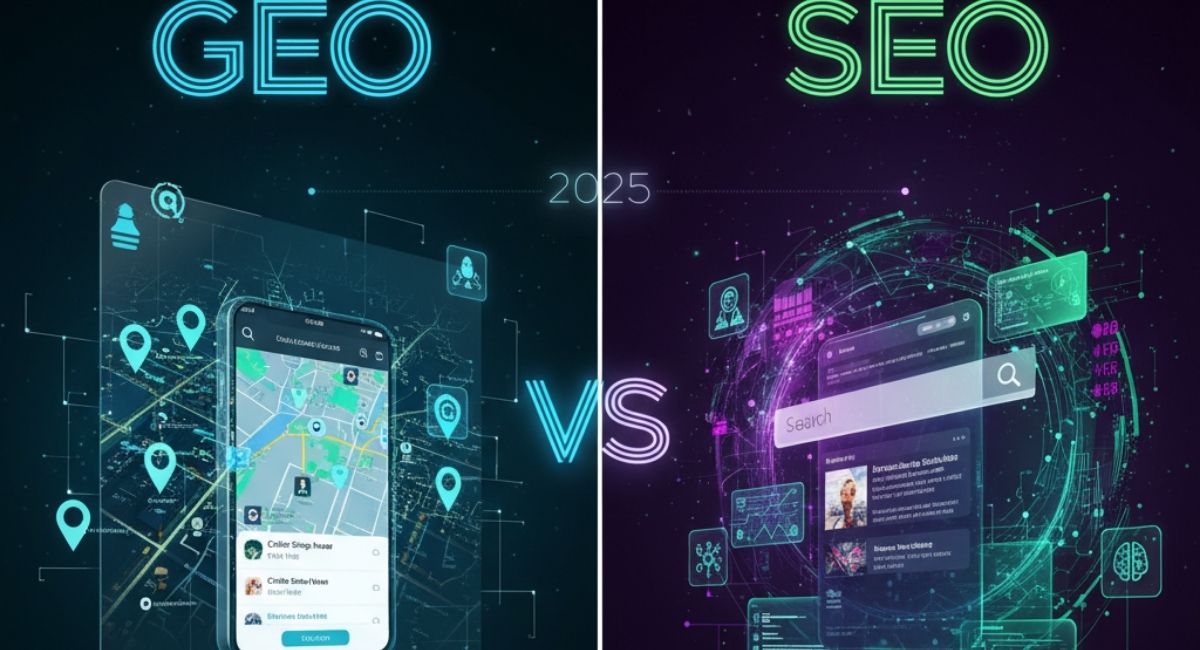
Search has always been the heartbeat of the internet.The way people search has always mirrored how technology evolves. In the early 2000s, internet users typed short phrases into Google: “cheap flights New York London” or “best laptop 2010.” Businesses learned to optimize their websites around these queries, and Search Engine Optimization (SEO) became the cornerstone of digital visibility.
Fast forward to 2026, and the experience looks very different. Today, someone might ask a tool like ChatGPT, Gemini, or Perplexity a full question: “What’s the most affordable way to fly to London next month with flexible dates?” Instead of being directed to ten blue links, they’re handed a clear, conversational answer.
This shift is why Generative Engine Optimization (GEO) has become one of the most discussed concepts in digital marketing. GEO isn’t here to replace SEO—it’s here to work alongside it. Businesses that want to thrive in the next era of search must understand how both worlds interact. If you’ve already invested in SEO marketing services, now is the moment to expand your toolkit with GEO.
From SEO to GEO: Understanding the Evolution
To appreciate why GEO is gaining so much attention, it helps to revisit what SEO has given us. For two decades, SEO meant making sure your website aligned with search engine algorithms. That included:
- Identifying the right keywords and semantic clusters
- Building backlinks and authority signals
- Improving on-page content with metadata, schema, and headings
- Handling technical elements like mobile optimization, security, and speed
This formula worked because search engines rewarded relevance and authority. Ranking well in Google meant a steady flow of traffic.
But AI disrupted that flow. Generative engines no longer just point users to websites—they synthesize information from multiple sources into a single answer. Instead of clicking, people often read the response directly in the AI chat. For businesses, this means visibility requires more than ranking high—it requires being part of the answer itself.
Imagine the difference:
- SEO outcome: Someone types “best ecommerce platforms” into Google, sees your article on the first page, and clicks.
- GEO outcome: Someone asks, “Which ecommerce platforms are best for small businesses in 2026?” and the AI tool includes your brand within its curated recommendations.
The shift is subtle but powerful. It explains why GEO has become a priority for digital marketers worldwide.
GEO vs SEO: A Practical Comparison
| Aspect | SEO (Search Engine Optimization) | GEO (Generative Engine Optimization) |
| Core Platforms | Google, Bing, Yahoo | AI chatbots, voice assistants, generative tools |
| Optimization Focus | Keywords, backlinks, CTR, structured data | Conversational phrasing, topical authority, factual accuracy |
| User Experience | Click links from search results | Get direct synthesized answers |
| Example | Ranking for “web development services” | Being cited when someone asks an AI, “Which companies provide reliable custom web development services?” |
| Measurement | Organic rankings, traffic, conversions | Mentions in AI responses, traffic from AI tools |
Both approaches serve the same end goal—visibility—but they work in different ecosystems.
Why GEO Is Rising Without Replacing SEO
There’s a misconception that GEO will make SEO irrelevant. The truth is more balanced. Search engines like Google still process billions of queries daily, especially for shopping, research, and local results. GEO simply adds another channel of visibility.
Think about a restaurant in London. With SEO, it needs local SEO to appear on Google Maps when someone searches “Italian restaurant near me.” With GEO, it ensures that when someone asks Siri or ChatGPT, “What’s a good Italian restaurant in London that serves vegan pasta?” its name comes up in the AI-generated recommendation. Both layers work together.
Businesses that ignore GEO risk being invisible in AI-first searches, while those who abandon SEO miss out on traditional search traffic. The future belongs to integration.
How to Optimize for GEO and SEO Together
The best strategy isn’t choosing between GEO or SEO—it’s blending both. Here’s how businesses can approach it:
- Content with depth and conversation: SEO demands structured data and semantic keywords, but GEO requires content that answers questions in natural language. Adding FAQs or conversational Q&A sections to blogs helps both.
- Entity mapping: AI relies on connecting recognized entities. Consistently link your brand with relevant topics and niches. For example, if you’re in ecommerce, publishing thought leadership around sustainable shopping ensures AI engines associate your name with that theme.
- Technical health: No amount of GEO can compensate for a broken or slow site. Regular website management and optimization keep your foundation strong for both ecosystems.
- Authority and trust signals: SEO builds authority with backlinks. GEO values citations and mentions from credible, updated sources. Consistency across platforms increases trustworthiness.
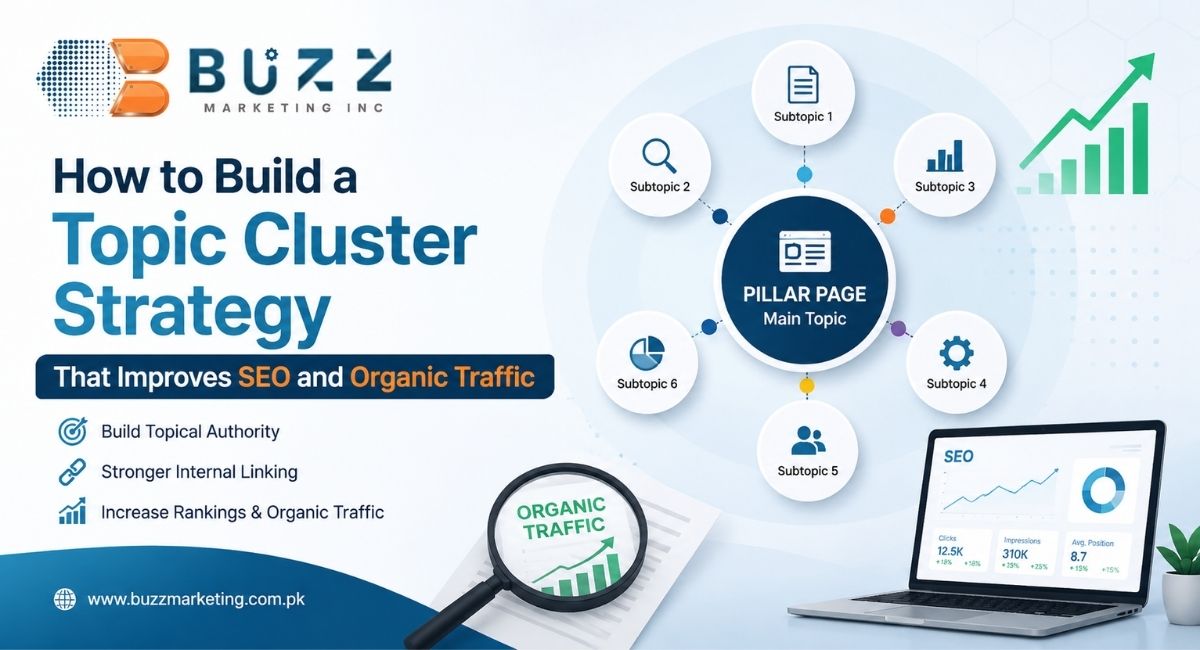
- Holistic coverage: Semantic SEO—covering a topic in clusters, not fragments—aligns perfectly with GEO’s preference for comprehensive sources. Writing a blog about “social media advertising” should expand into related areas like Facebook advertising and Instagram campaigns.
Real-World Example
Picture two businesses selling eco-friendly fitness gear.
- Company A focuses only on SEO. It ranks on Google for “eco-friendly workout accessories.” That’s great, but it only reaches searchers using Google.
- Company B blends SEO and GEO. It ranks on Google but also writes conversational pieces like, “What are the best eco-friendly alternatives to plastic water bottles in 2026?” When someone asks an AI tool this question, Company B’s brand shows up in the answer.
The result? Company B gains visibility across both ecosystems, tapping into both traditional searchers and AI-first users. That’s the competitive edge.
The Role of AI in Ranking
Generative engines don’t rely on backlinks and click-through rates the way Google does. Instead, they prioritize:
- Accuracy: Outdated or misleading content won’t make the cut.
- Entity connections: Brands consistently tied to topics earn more mentions.
- Depth of coverage: Content that fully explores related questions performs better than surface-level posts.
- Trust signals: Verified data, reputable mentions, and consistent online reputation build credibility.
This overlap is why semantic SEO and GEO fit so well together. Covering a subject holistically ensures both Google and AI tools see you as an authority.
FAQs on GEO vs SEO in 2026
Will SEO die because of AI?
No. SEO remains a backbone of visibility, while GEO adds another dimension. They coexist and complement one another.
Can AI-generated content perform well in GEO?
Yes, but only if edited for accuracy and enriched with human insights. Pure AI output often lacks authority signals.
Which industries benefit most from GEO?
Ecommerce, SaaS, healthcare, education, travel, and local businesses are seeing early gains. Essentially, any industry where people ask AI tools for recommendations.
What’s the easiest way for small businesses to start with GEO?
Add conversational FAQs to your site, blog posts that directly answer customer questions, and accurate business details across directories. Pair this with local SEO services for maximum coverage.
Do backlinks still matter in 2026?
They matter for SEO, but GEO focuses more on trusted mentions across platforms. Backlinks help indirectly by boosting authority.
Final Thoughts: The Power of Integration
The conversation about GEO vs SEO in 2026 isn’t about replacing one with the other. It’s about preparing for a world where both coexist. SEO still delivers traffic from billions of daily Google searches. GEO ensures your brand shows up in AI-generated answers that people increasingly trust.
The businesses that succeed won’t be the ones choosing sides. They’ll be the ones building strategies that embrace both search engines and AI engines, weaving technical SEO with conversational, AI-friendly optimization.
If you want your business to stay visible in both ecosystems, expert support makes the process smoother. Buzz Marketing offers tailored SEO marketing services and GEO-focused insights to help brands thrive in the next era of search. The future of visibility is already here—make sure your business is part of it.