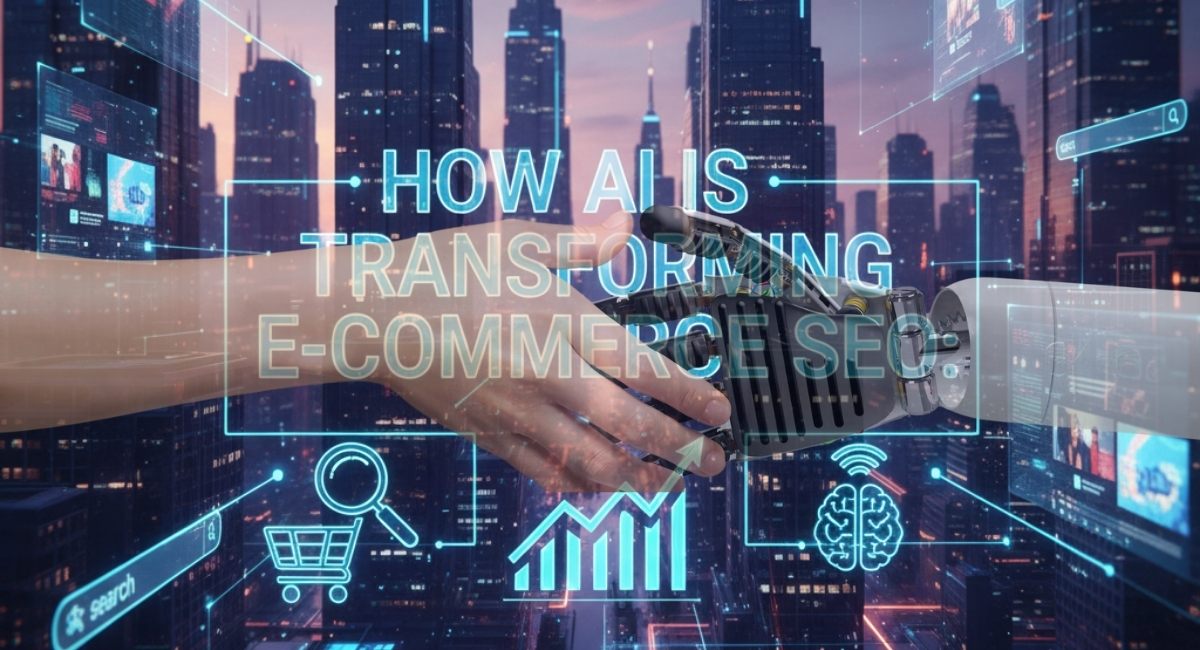
Artificial Intelligence is no longer just a buzzword in technology, it is shaping the way businesses approach online visibility and digital growth. In e-commerce, where competition is fierce and customer attention is short-lived, AI-driven SEO has become a game-changer. By combining data, algorithms, and automation, AI is helping brands optimize their online stores more effectively than ever before.
For e-commerce websites, traditional SEO tactics like keyword placement and backlinks are no longer enough. Search engines now prioritize relevance, user experience, and intent. That’s where AI brings value by analyzing patterns, predicting user behavior, and tailoring content strategies. For businesses looking to strengthen their online store performance, exploring ecommerce SEO servicesis now an essential step toward digital growth.
Why AI Matters in E-commerce SEO
The evolution of SEO has always followed search engine updates. From keyword stuffing in the early 2000s to voice search and mobile-first indexing today, strategies have had to adapt. With AI, search engines themselves are using machine learning models like Google’s RankBrain and BERT to better interpret user intent. This means e-commerce stores need equally intelligent tools to stay competitive.
AI impacts e-commerce SEO in several ways:
- Advanced keyword research with predictive suggestions
- Content optimization tailored for user intent
- Dynamic product recommendations aligned with search behavior
- Improved technical SEO with automated audits
- Enhanced customer personalization through search and on-site experiences
By integrating AI tools into your digital strategy, you can improve both visibility and conversions.
Key Areas Where AI is Reshaping SEO for Online Stores
Instead of fragmenting SEO into endless subcategories, let’s break down the practical areas where AI makes the biggest difference.
Smarter Keyword and Topic Research
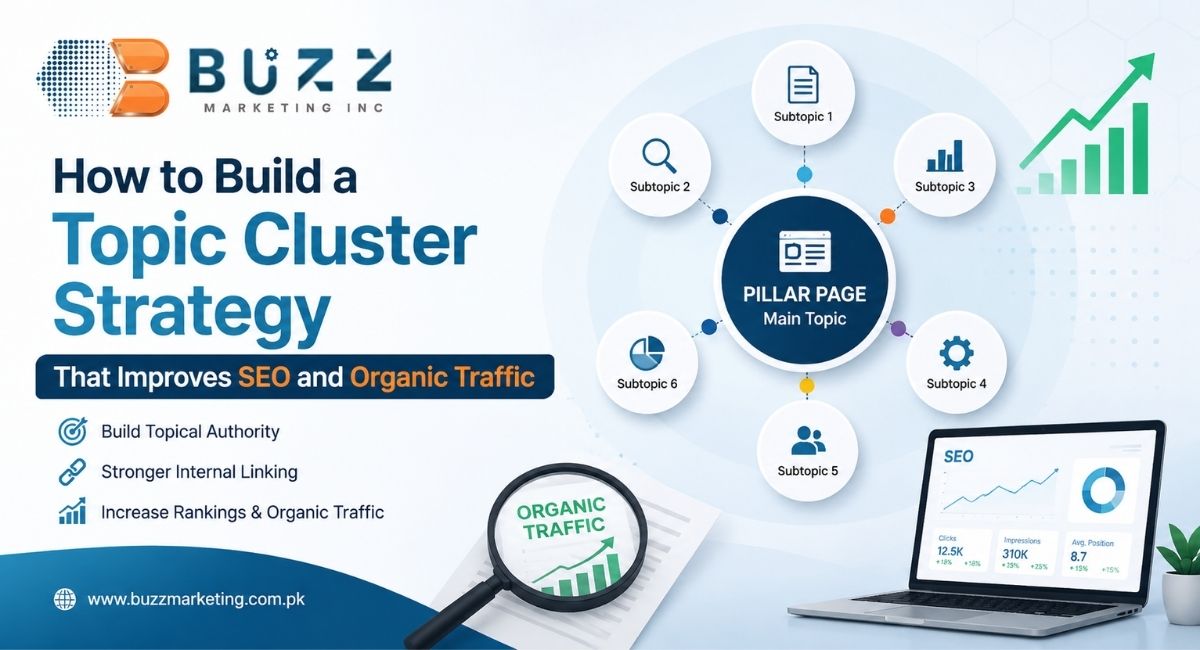
In e-commerce, keywords are not just about search volume. Buyers type in long-tail queries, voice-based searches, or even questions about products before they decide to purchase. AI-powered tools can analyze massive datasets to predict trends, identify low-competition keywords, and suggest topic clusters.
For example, if you run a Shopify-based fashion store, AI tools can highlight related search queries such as “sustainable cotton dresses under $50” instead of just “cotton dresses.” This approach not only improves visibility but also helps with conversion-focused traffic. If you are building a Shopify store, specialised Shopify web development services can integrate AI-driven SEO features into your platform from the start.
Personalized Content Optimization
Search engines prioritize websites that meet user intent. AI enables content optimization that adjusts dynamically to what visitors are searching for. For example, an AI tool might suggest updating your product descriptions to match trending keywords, or recommend adding FAQs for better visibility.
Content personalization is particularly valuable for e-commerce brands. Imagine two users visiting your store: one is looking for product specifications, while another is searching for styling tips. AI can guide you to create tailored content for both, improving relevance and engagement. Many businesses also rely on professional copywriting services to ensure their product descriptions and landing pages reflect this personalization.
Enhanced Technical SEO
AI helps monitor and optimize technical SEO at scale. From crawling issues to schema markup, these tasks used to require long audits. Now, AI-powered crawlers can quickly detect broken links, page speed issues, or missing alt tags.
Technical SEO also ties closely with automation. For example, large e-commerce sites with thousands of products can use AI-driven systems to generate optimized metadata, structured data, and canonical tags without manual intervention. This improves efficiency and ensures compliance with Google’s evolving ranking algorithms.
Predictive Analytics and Trend Forecasting
One of AI’s most powerful features is predictive analysis. Instead of relying only on current data, AI can forecast future trends. For e-commerce, this means identifying what customers are likely to search for in the coming weeks or months.
For example, an online electronics retailer can prepare product landing pages ahead of time for a newly launching smartphone model based on predictive search data. Businesses that take advantage of predictive SEO have a competitive edge, as they’re already ranking before the demand peaks.
Customer Experience and AI SEO
Customer experience is at the core of modern SEO. AI not only improves search results but also helps personalize the user journey. Features like chatbots, voice-enabled search, and AI-driven product recommendations make shopping experiences smoother and keep users on your site longer, which indirectly improves rankings.
For e-commerce businesses that want to focus on overall site management while integrating AI tools, using professional website management services ensures both SEO and customer experience are aligned.
Manual Guide: How to Implement AI in Your E-commerce SEO Strategy
Here’s a step-by-step manual guide that can serve as a foundation for businesses integrating AI into their SEO strategy.
| Step | AI Application | Benefit for E-commerce SEO |
| 1 | AI Keyword Research Tools | Discover long-tail, low-competition keywords |
| 2 | AI Content Optimization | Tailor content for intent and relevance |
| 3 | Automated Technical SEO | Identify and fix site errors quickly |
| 4 | Predictive Analytics | Prepare for seasonal or trending searches |
| 5 | AI-driven Product Descriptions | Optimize copy for conversions |
| 6 | Chatbots & Voice Search Integration | Enhance customer experience |
| 7 | AI-powered Link Analysis | Build stronger backlink profiles |
By following these steps, e-commerce sites can create a scalable and data-driven SEO process that continues to improve over time.
Common Mistakes to Avoid When Using AI in SEO
While AI can streamline SEO, there are also pitfalls to avoid:
- Relying only on automation without human creativity
- Ignoring content quality while chasing keyword suggestions
- Over-optimizing pages with repetitive AI-generated content
- Not monitoring algorithm changes regularly
- Treating AI as a replacement instead of a support tool
SEO still requires human oversight. AI provides insights, but creativity, storytelling, and branding remain human strengths that machines cannot replicate fully.
FAQs on AI and E-commerce SEO
1. How is AI different from traditional SEO tools?
Traditional SEO tools rely on historical data and basic metrics. AI-driven tools, however, use machine learning to predict future behavior, analyze intent, and adapt recommendations dynamically.
2. Can AI-generated content rank on Google?
Yes, if used correctly. However, Google values originality and user-focused content. AI can help with structure, keyword placement, and optimization, but human editing ensures authenticity and readability.
3. Is AI SEO suitable for small e-commerce stores?
Absolutely. Small businesses can benefit from AI because it reduces the time needed for keyword research, content planning, and technical fixes. It levels the playing field against larger competitors.
4. How does AI affect voice search optimization?
AI helps businesses adapt to conversational queries. Instead of focusing only on short keywords, AI guides content strategies toward natural, long-form questions, making sites more visible in voice search results.
5. Should AI replace human SEO experts?
No. AI is a powerful assistant, but SEO requires strategy, creativity, and contextual understanding that machines alone cannot deliver. A mix of human expertise and AI is the most effective approach.
Final Thoughts
AI is not just reshaping e-commerce SEO, it is redefining how businesses approach digital marketing as a whole. From predictive analytics to personalized shopping experiences, the role of AI in SEO continues to expand. Brands that embrace these changes are likely to see stronger visibility, higher engagement, and improved sales.
If you’re building or scaling your e-commerce store, combining expert human guidance with AI-powered tools is the smartest path forward. Whether it’s through SEO marketing services or custom ecommerce web development solutions, adopting AI-driven strategies will keep your business ahead in the competitive online marketplace.
Buzz Marketing provides tailored solutions for businesses that want to integrate AI into their SEO and overall digital strategy. If your goal is to grow sustainably in today’s fast-changing landscape, now is the time to act with the right mix of technology and expertise.