
Search engine optimization (SEO) is one of the most effective ways for businesses to generate organic traffic, build brand trust, and achieve long-term digital growth. Yet, despite countless tutorials and case studies, businesses across industries continue to repeat the same SEO mistakes year after year. Some of these mistakes are small, like missing meta tags, but others can completely derail a company’s online growth, such as targeting the wrong audience or ignoring mobile optimization.
This guide explores the most common SEO mistakes businesses make, why they happen, and how to fix them. Instead of focusing only on quick fixes, we will also look at deeper strategies, semantic SEO practices, and the type of long-term planning that search engines reward in 2025. We’ll also bring in related aspects like keyword research pitfalls, common on-page SEO errors, technical issues, and real-world insights from SEO audits.
If you want a solid start before applying these strategies, it’s helpful to explore professional services like on-page SEO or an in-depth SEO audit to understand where your business stands.
Mistake 1: Ignoring Keyword Research or Doing It Poorly
Keyword research forms the backbone of every SEO campaign. Without it, you are essentially guessing what your audience wants. Many businesses assume they already know what their customers are searching for, but this often leads to wasted resources targeting terms that are too generic, too competitive, or unrelated to user intent.
Common keyword research pitfalls:
- Overemphasis on high-volume, broad terms (like “clothes” or “furniture”) that are nearly impossible to rank for.
- Neglecting long-tail phrases that reflect actual buying intent, such as “affordable office chairs with lumbar support.”
- Ignoring search intent (are users researching, comparing, or ready to buy?).
- Using outdated keyword databases that miss emerging trends.
How to improve keyword targeting:
- Combine tools like Google Keyword Planner, Ahrefs, SEMrush, and even Google Trends for fresh insights.
- Analyze competitors but avoid simply copying their terms.
- Create a keyword map to assign primary and secondary keywords to every page.
- Incorporate semantic variations and questions (for example, “how to optimize Shopify store speed” alongside “Shopify speed optimization”).
Keyword Mapping Example:
| Page Type | Primary Keyword | Related Semantic Keywords | Search Intent |
| Blog Article | “common SEO mistakes businesses make” | “SEO audit common issues 2025,” “on-page SEO errors to avoid” | Informational |
| Product Page | “affordable Shopify web development” | “Shopify customization services,” “Shopify store design” | Transactional |
| Service Page | “technical SEO services 2025” | “crawl errors,” “schema markup,” “SEO technical audit” | Commercial |
By creating keyword maps like this, you can reduce cannibalization, ensure clarity in content, and build topical authority in your niche.
Mistake 2: Poor Website Architecture and Navigation
Your website’s structure determines how easily both users and search engines can find information. A confusing site architecture creates frustration for visitors and crawl inefficiencies for search engines.
Typical errors include:
- Orphan pages that receive no internal links.
- URLs filled with random numbers or parameters.
- Content buried three or four levels deep in navigation.
- No breadcrumbs or clear hierarchy.
Better practices:
- Keep URLs descriptive and short: /services/wordpress-development instead of /page?id=1029.
- Use breadcrumbs and structured categories.
- Link contextually between related articles, products, and services.
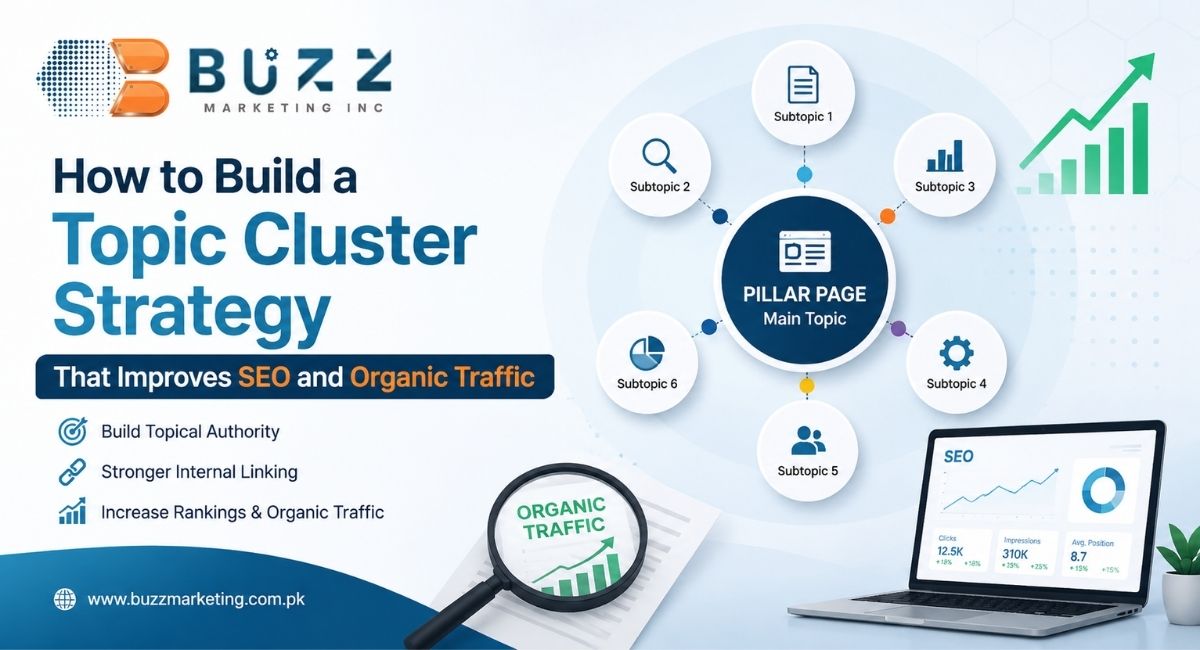
- Implement topic clusters. For example, a central guide about “SEO for e-commerce” linking to detailed pages on custom web development or Shopify development.
Clear navigation does more than help Google crawl your site; it builds trust with users who can quickly find what they want.
Mistake 3: Thin or Duplicate Content
In 2025, content quality is not just about keywords; it’s about depth, originality, and relevance. Many businesses still publish product or service pages with fewer than 200 words, or worse, copy product descriptions from suppliers. Thin and duplicate content prevents pages from ranking well and weakens domain authority.
Examples of poor content practices:
- Using identical product descriptions across hundreds of items.
- Service pages with only a few generic lines.
- Blogs filled with filler text and no real insights.
How to strengthen content:
- Expand product pages with unique descriptions, usage tips, FAQs, and customer reviews.
- Use data, case studies, or visuals to add credibility.
- Write long-form, topic-driven articles (1,500+ words) covering questions, comparisons, and guides.
- Update older content with current data and reoptimize for fresh keywords.
Professional blog writing services can help maintain consistency in both quality and frequency.
Mistake 4: Neglecting On-Page SEO Elements
On-page optimization is often underestimated. Small details like meta tags, image alt text, and structured headers are signals that search engines use to understand and rank content. Even in 2025, businesses skip these fundamentals.
Errors to avoid:
- Duplicate title tags across multiple pages.
- Keyword stuffing in headers.
- Forgetting meta descriptions or leaving them auto-generated.
- Ignoring image alt attributes.
Best practices for on-page SEO:
- Write unique, keyword-rich titles (under 60 characters).
- Draft compelling meta descriptions (under 160 characters) that improve CTR.
- Use H1 for the page’s main title, then organize content with H2s and H3s.
- Add descriptive alt text for images with context, not just keywords.
Mistake 5: Overlooking Technical SEO
A technically sound website is the foundation of strong SEO performance. No matter how great your content is, if search engines cannot crawl or index your pages properly, rankings will suffer. Technical SEO remains one of the most overlooked areas by small and medium businesses.
Common technical issues:
- Broken internal and external links.
- Slow-loading pages due to unoptimized images.
- Lack of HTTPS or insecure pages.
- Missing XML sitemaps.
- No schema markup for rich results.
How to address them:
- Schedule routine technical SEO audits.
- Minimize code bloat and optimize server response time.
- Use schema markup for products, articles, FAQs, and reviews.
- Submit updated sitemaps to Google Search Console.
Reference table for fixes:
| Issue | Tool to Identify | Recommended Action |
| Page speed | Google PageSpeed Insights | Compress images, enable caching, use CDN |
| Crawl errors | Google Search Console | Fix broken links, redirect outdated pages |
| HTTPS issues | Browser check | Install SSL certificate |
| Duplicate content | Screaming Frog / SEMrush | Consolidate with canonical tags |
Mistake 6: Ignoring Mobile Optimization
Google has been using mobile-first indexing for years, yet many businesses still design websites primarily for desktop users. With mobile accounting for more than half of global traffic, ignoring mobile usability is no longer an option.
Problems businesses face:
- Large desktop banners that don’t resize on mobile.
- Tiny buttons and links that are impossible to tap.
- Long loading times on mobile networks.
Solutions:
- Use responsive web design frameworks.
- Test performance on multiple devices regularly.
- Optimize core web vitals like LCP, FID, and CLS.
- Remove unnecessary popups that block content on mobile.
Mistake 7: Weak Local SEO Strategies
For service-based and small businesses, local SEO is often the difference between being found or being invisible. Yet, many fail to take advantage of basic optimizations.
Frequent local SEO mistakes:
- Incomplete Google Business Profile.
- Inconsistent NAP information across directories.
- No location-based landing pages.
- Few or no customer reviews.
What to do:
- Keep your Google Business Profile updated with accurate hours, services, and categories.
- Use local schema markup.
- Target location-specific search terms like “plumbing services in Toronto” or “ecommerce web development in Dubai.”
- Encourage and respond to customer reviews regularly.
Professional local SEO services can help establish a strong presence in maps and local searches.
Mistake 8: Neglecting Analytics and Tracking
Without tracking, businesses cannot know whether SEO efforts are paying off. Yet many either set up Google Analytics incorrectly or fail to use it to its full potential.
Tracking mistakes include:
- Not setting up goals or events.
- Ignoring bounce rates and session durations.
- Not tracking conversions by keyword or landing page.
- Relying only on traffic numbers without analyzing quality.
Steps to fix:
- Configure Google Analytics 4 with custom events like form submissions, purchases, or clicks.
- Use UTM parameters for campaign tracking.
- Regularly review performance in Google Search Console for impressions, CTR, and rankings.
- Create dashboards to visualize data trends.
Mistake 9: Focusing Only on Short-Term Gains
SEO is not a quick fix. Businesses that expect overnight rankings often resort to shortcuts like buying backlinks or over-optimizing anchor text. These short-term tactics may give a temporary boost, but they usually result in penalties or long-term setbacks.
Short-term issues include:
- Paying for low-quality backlinks.
- Publishing a flood of low-value pages without strategy.
- Giving up on SEO after a few months.
Long-term strategies instead:
- Build authoritative content libraries with evergreen guides.
- Invest in ethical outreach and guest posting.
- Refresh old content with updated data and improved
Final Thoughts
SEO mistakes can seem small but collectively they hold back growth and visibility. From poor keyword research to neglecting technical fixes, these errors waste valuable opportunities. By addressing the nine issues explained above, you create a stronger foundation that benefits both search engines and users. For businesses that want professional guidance, exploring expert services like SEO strategy or enterprise SEO can provide the right direction. Whether you need help with audits, content, or long-term planning, Buzz Marketing can support you with practical solutions tailored to your goals.
Start improving your SEO today with Buzz Marketing and avoid the common mistakes that hold businesses back in 2025.