
Search visibility has become a major growth driver for companies working in revenue cycle management and medical billing. Healthcare providers often search online for billing partners, coding support, denial management services, and RCM technology. Because of this shift in buyer behavior, tracking keyword performance is no longer optional. It helps businesses understand how their content performs in organic search and how prospective clients find their services.
This article presents a practical case study on tracking keyword growth in medical billing using Google Search Console. The focus is not only on numbers but also on understanding what those numbers represent and how they influence long term search growth. The article also explains how monitoring keyword rankings and traffic growth helps identify top performing medical billing terms, measure organic visibility, and refine RCM keyword tracking strategies.
Organizations that invest in content, search optimization, and analytics often combine their SEO insights with broader digital strategies such as structured website development, content writing, and technical optimization. For instance, businesses improving their digital presence often rely on services like professional website optimization through SEO marketing services to ensure their pages are technically sound and aligned with search algorithms. However, even the best optimization efforts require continuous monitoring. This is where Search Console analytics becomes the foundation of performance measurement.
Understanding how keyword growth occurs in a specialized industry like medical billing requires patience, structured data analysis, and consistent publishing. The case study below demonstrates how small keyword improvements can eventually turn into a large volume of qualified search traffic.
Why Keyword Tracking Matters in the Medical Billing Industry
Medical billing is a highly specialized field within healthcare administration. Search queries in this industry often come from medical practices, hospitals, clinics, or healthcare entrepreneurs looking for billing services or revenue cycle management support.
Unlike consumer industries where search traffic may come from casual browsing, medical billing searches are usually intent driven. When someone searches for terms like “medical billing services for small practices” or “RCM outsourcing companies,” they are often evaluating potential vendors.
Monitoring keyword rankings and traffic growth allows organizations to measure how visible they are during this research phase.
Some of the main reasons keyword tracking matters in this niche include:
• Identifying the most searched medical billing terms used by healthcare providers
• Measuring the visibility of service pages and educational articles
• Understanding how search intent evolves in the healthcare finance sector
• Evaluating the impact of SEO content campaigns
• Discovering new opportunities in long tail queries
Tracking keyword performance also reveals which topics resonate most with healthcare decision makers. A company might publish dozens of articles about coding guidelines, insurance claims, or RCM automation. Search Console data helps determine which topics attract the most search impressions and clicks.
Introducing the Case Study: A Medical Billing Website
To illustrate keyword growth tracking in action, we analyze the performance of a medical billing website over a 12 month period using Google Search Console.
The site provides educational resources and services related to revenue cycle management. Many of its articles cover industry topics such as medical coding, billing compliance, denial management, and outsourcing benefits.
A number of these resources can be found on the company website including insights and case studies published at eBridge RCM.
This type of content is designed to answer real questions healthcare administrators ask when evaluating billing partners.
At the beginning of the study, the website had limited organic traffic and only a handful of ranking keywords. The goal of the SEO campaign was to increase organic visibility for medical billing related search queries.
Initial Search Performance
During the first quarter of analysis, Search Console reported:
• Approximately 150 ranking keywords
• Monthly organic clicks under 300
• Average position above 45 for most target queries
• Limited visibility for competitive medical billing keywords
Most impressions came from long tail queries rather than high competition terms.
Examples included:
• medical billing outsourcing for clinics
• benefits of revenue cycle management services
• physician billing services explanation
Although these queries generated impressions, the click through rate was low because rankings were not yet competitive.
Using Search Console Analytics for Keyword Tracking
Google Search Console provides one of the most accurate sources for organic search performance because the data comes directly from Google’s search index.
The platform tracks several metrics that help evaluate keyword growth.
Key Metrics Monitored
The case study relied on four core metrics:
• Impressions
• Clicks
• Average ranking position
• Click through rate
Each metric reveals a different layer of search performance.
Impressions indicate how frequently a page appears in search results for a specific query. A rising impression count often means that Google is testing the page for more keywords.
Clicks represent actual traffic generated from search.
Average position shows how close a page is to the top results.
Click through rate measures how appealing the search snippet is to users.
Tracking these metrics together helps identify which keywords are gaining momentum.
Keyword Growth After Content Expansion
The first major change implemented during the campaign was publishing targeted informational content.
Articles were developed around common RCM and medical billing questions such as:
• what is revenue cycle management
• how medical billing outsourcing works
• challenges in insurance claim processing
• common billing errors in healthcare
Each article was optimized around one primary keyword and several semantic variations.
Within three months, Search Console data revealed a noticeable shift.
Keyword growth expanded from roughly 150 queries to more than 600 queries generating impressions.
Many of these were informational long tail queries such as:
• medical billing workflow explanation
• steps in healthcare revenue cycle
• medical billing process for hospitals
These types of searches indicate that healthcare professionals are researching industry concepts rather than searching directly for service providers.
This informational stage often represents the earliest step in the buyer journey.
Case Example: Growth of a Single Medical Billing Article
One article on the site explained how revenue cycle management improves practice profitability.
The article was initially published with basic optimization but limited internal linking.
During the first month, Search Console recorded:
• 120 impressions
• 4 clicks
• Average position around 38
After updating the content to include detailed explanations, examples, and related links, performance improved significantly.
By month six, the article generated:
• Over 4,500 impressions
• 210 clicks
• Average position around 12
The growth occurred because Google began associating the page with additional related keywords.
Examples of queries that started ranking included:
• benefits of RCM for healthcare providers
• revenue cycle management services
• RCM outsourcing advantages
The expansion of keyword relevance demonstrates how Google understands topical depth rather than relying on a single keyword phrase.
How Internal Linking Supports Keyword Visibility
Another factor that contributed to keyword growth was strategic internal linking.
Search engines rely on internal links to understand how content pages connect to each other. Linking relevant resources together helps distribute authority across the website.
For example, many businesses improve their content ecosystem by combining blog articles with technical optimization resources such as site structure improvements described in technical SEO services.
Similarly, articles within the medical billing website were linked to related pages discussing coding practices, claim submission, and revenue cycle automation.
Internal linking helped search engines crawl the content more efficiently and identify the relationships between topics.
Identifying Top Ranking Medical Billing Keywords
By month nine, the website had achieved strong visibility for several high value keywords.
Search Console reports showed that the following categories performed well:
Revenue cycle management terms
Medical billing outsourcing queries
Healthcare claim processing topics
Medical coding education searches
Examples of top performing keywords included:
• medical billing services for healthcare practices
• RCM services benefits
• medical billing outsourcing company
• healthcare revenue cycle process
Many of these keywords began ranking within the top ten search results.
The increase in rankings translated into steady organic traffic growth.
Traffic Growth and Search Intent Patterns
Keyword growth alone does not guarantee meaningful traffic. Search intent also influences whether users click on results.
In the medical billing industry, search intent usually falls into three categories:
Informational
Commercial research
Transactional
Informational queries often include phrases like “how medical billing works” or “what is RCM.”
Commercial research queries indicate that the user is comparing services.
Transactional queries involve phrases such as “medical billing company near me” or “RCM outsourcing services.”
The case study found that informational keywords generated the highest impressions while commercial research queries generated the most conversions.
This pattern is common in B2B healthcare industries.
Content that answers industry questions builds awareness while service pages convert visitors who are ready to evaluate vendors.
Expanding Topical Authority Through Content Clusters
Another factor that improved keyword growth was building topical clusters.
Instead of publishing isolated articles, the website created groups of related content around major themes.
Examples of content clusters included:
Medical billing process
Revenue cycle management
Healthcare coding systems
Insurance claim management
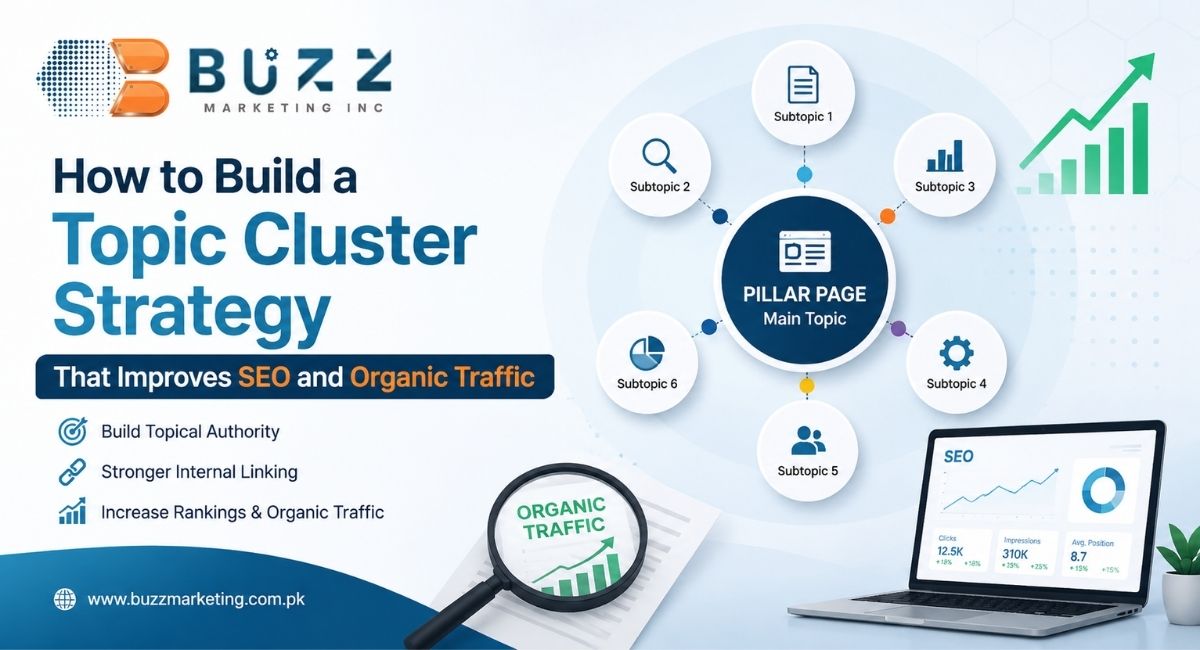
Each cluster contained several detailed articles linked to a main pillar page.
This structure signaled to search engines that the website covered the topic comprehensively.
Businesses building similar strategies often combine content development with professional content strategy and editorial planning like the expertise offered in blog writing services.
Consistent publishing combined with keyword tracking helps maintain momentum in organic search growth.
The Role of Long Tail Keywords in RCM SEO
Long tail keywords played a major role in the case study.
These are longer and more specific search queries that often have lower competition.
Examples include:
• medical billing for dermatology clinics
• RCM services for small healthcare practices
• how to outsource medical billing
Although each individual query may generate limited traffic, together they can create a significant volume of impressions.
Long tail keywords also tend to attract highly targeted visitors.
Healthcare administrators searching for very specific billing solutions are often closer to making a decision.
Technical SEO and Crawl Optimization
Content alone does not guarantee search performance. Technical optimization also affects how search engines interpret and index content.
During the case study, several technical improvements were implemented.
These included:
• optimizing page load speed
• fixing crawl errors
• improving mobile usability
• updating sitemap structures
Businesses often rely on professional development teams when implementing these improvements. For example, organizations seeking scalable infrastructure sometimes invest in modern website architecture through custom web development solutions to improve both performance and search visibility.
After these technical updates, the website experienced faster indexing of new content and more stable keyword rankings.
Monitoring Keyword Growth Over 12 Months
By the end of the twelve month analysis period, the Search Console data showed dramatic improvement.
Keyword growth expanded from about 150 queries to more than 2,000 queries generating impressions.
Organic traffic also increased significantly.
The website began receiving thousands of monthly clicks from healthcare professionals researching billing solutions.
Some key metrics included:
• 2,000+ ranking keywords
• 20,000+ monthly impressions
• consistent page one rankings for multiple industry terms
• increasing click through rates for informational queries
The data confirmed that continuous content publishing combined with performance tracking leads to long term growth.
Lessons Learned from the Case Study
Several important insights emerged during the analysis.
First, keyword growth in specialized industries happens gradually. Medical billing topics require detailed explanations and industry expertise.
Second, Search Console analytics provide valuable insight into how search engines interpret content.
Third, building topical authority through clusters and internal linking significantly improves visibility.
Fourth, informational content often drives the earliest search impressions before commercial keywords gain traction.
Finally, consistent monitoring helps identify which topics deserve further expansion.
Companies that invest in analytics and SEO measurement gain a clearer understanding of how potential clients search for services.
Integrating Keyword Tracking with Broader Digital Marketing
Keyword tracking should not exist in isolation. It works best when integrated with broader marketing strategies.
For example, businesses often combine SEO insights with content repurposing strategies such as video marketing and social media content.
Understanding how audiences consume content across platforms can strengthen the overall marketing approach. Insights related to audience engagement are explored in articles like:
Why Video Content is Still the King of Engagement
Analyzing these cross channel trends helps organizations decide how to distribute their content more effectively.
The Future of Organic Search in Medical Billing
Healthcare search behavior continues to evolve.
Decision makers are increasingly researching vendors online before initiating contact.
Search engines are also improving their ability to understand medical terminology and healthcare industry context.
This means that websites covering revenue cycle management must maintain strong informational resources.
Organizations that consistently monitor keyword performance, update content, and expand their topical coverage are more likely to maintain stable search visibility.
As competition increases in the healthcare services industry, keyword tracking will remain an essential part of digital marketing strategy.
Companies that monitor organic search performance carefully can identify early signals of growth and adjust their strategy before competitors gain an advantage.
For businesses looking to scale their search presence and track performance more effectively, working with experienced marketing partners such as Buzz Marketing can help align content strategy, SEO analysis, and technical optimization under a unified growth framework.
Frequently Asked Questions
How does Google Search Console help track medical billing keywords?
Google Search Console records the queries that trigger a website in search results. It shows impressions, clicks, and ranking positions, allowing marketers to evaluate which medical billing keywords generate visibility and traffic.
How long does it take to see keyword growth in medical billing SEO?
In most cases, noticeable keyword growth takes three to six months after publishing optimized content. Highly competitive terms may require a longer timeframe, especially in specialized healthcare industries.
What types of keywords work best for medical billing websites?
A mix of informational keywords and service based queries works best. Informational terms attract early research traffic while service queries attract users looking for billing providers.
Why are long tail keywords important in healthcare SEO?
Long tail queries often reflect highly specific needs. In medical billing, these searches may come from administrators seeking specialized services such as billing for a particular medical specialty.
How often should keyword performance be monitored?
Most SEO professionals review keyword performance monthly using Search Console and other analytics platforms. Regular monitoring helps identify trends and opportunities for improvement.
What metrics indicate successful keyword growth?
The main indicators include increased impressions, improved average ranking positions, higher click through rates, and rising organic traffic.
Can keyword tracking help generate leads?
Yes. By identifying keywords used by healthcare professionals researching billing solutions, businesses can create targeted content that attracts qualified prospects.
Keyword tracking is not simply a reporting exercise. It is a long term process that reveals how audiences search, how search engines interpret content, and how websites gradually build authority in specialized industries like medical billing.