
SEO today isn’t just about keywords and links—it’s about aligning with AI-powered search ecosystems. As artificial intelligence transforms how content is discovered, businesses must adapt through AI SEO—a smarter way to be found and trusted by next-gen search tools.
Why AI SEO Matters — Now More Than Ever
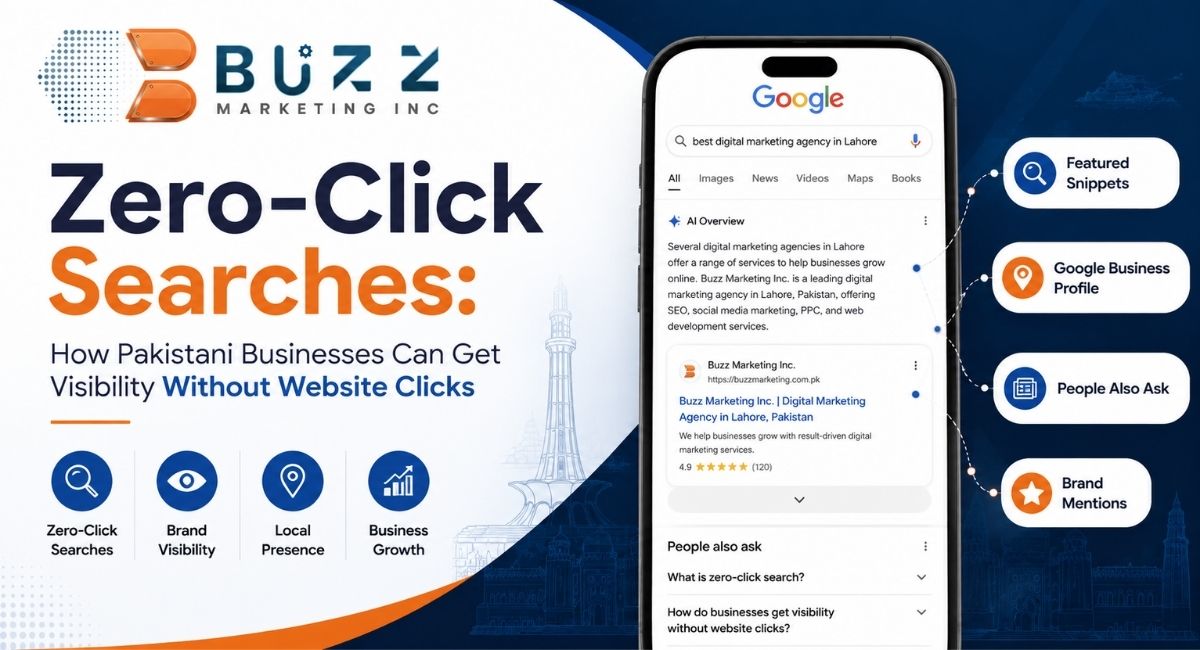
Generative AI like ChatGPT is shifting how people search. Users now receive instant answers, often without clicking through to websites—prompting a stronger need for Answer Engine Optimization (AEO) and Generative Engine Optimization (GEO) to be featured in AI-generated summaries and responses (WSJ on AI reshaping SEO).
Media outlets like New York Magazine are asserting that “SEO is Dead—Say Hello to GEO,” while Business Insider notes rising adoption of AI-based search and chat optimization practices (Business Insider on AI and chatbots).Meanwhile, seoClarity reports that:
- 86% of enterprises have adopted generative AI within their SEO processes.
- 83% saw tangible improvements in rankings, visibility, and user engagement (seoClarity’s study on AI SEO impact).
And WebFX highlights that traffic from generative AI is growing 165× faster than traditional organic search—underscoring how urgent it is to adapt (WebFX on generative AI trends).
What’s Fueling the AI SEO Revolution
- ChatGPT’s launch in 2022 democratized conversational AI, sparking a shift toward AI-based search usage.
- Google’s AI Overviews (AIO) now appear in nearly half of search results, offering automated answers—often without clicks.
- GEO & AEO: New optimization strategies aimed at ensuring content is featured in AI responses.
Why Businesses Must Restructure for AI SEO
- Rising zero-click queries
AI tools often provide answers immediately—if your content isn’t optimized, your visibility disappears. - AI values structured clarity
Bullet points, FAQs, schema markup, and clear formatting are favored by AI—long text often gets overlooked. - Traditional CTR is falling
With AI answering first, click-through rates decline. Your goal: be included inside the AI answer. - Search behavior is conversational
Users now ask full questions (“How to get glowing skin?”). AI tools reward conversational, well-structured answers. - Job market shows demand shift toward AI SEO expertise
- A 34% decline in general SEO job listings was accompanied by a 50% increase in leadership roles and 58% in manager roles, signaling demand for strategic and AI-driven skills (Digital Information World on SEO job shifts).
- Search Engine Land reports that remote content roles are down 28%, while AI / technical roles are on the rise (Search Engine Land on SEO job trends).
- More than 94% growth in job postings requiring AI skills was reported for marketing & SEO roles, with AI-related jobs earning a 28% higher salary on average (Lightcast’s AI job salary analysis).
- Additionally, PwC shows that roles demanding AI skills are growing 3.5× faster, with a wage premium up to 25% (across sectors) (PwC AI Jobs Barometer 2024).
How to Build an AI-Savvy SEO Strategy
- Hybrid Optimization
Blend traditional SEO with AEO/GEO strategies to ensure your brand appears in both search results and AI-generated summaries. - Structure for AI
Use schema markup, concise FAQs, and clear headings to help AI understand and feature your content. - Speed + UX
AI systems favor fast, mobile-friendly sites with intuitive structure. - Build Authority
AI models prioritize reputable content. Invest in backlink quality, brand visibility, and domain trust. - Restructure Content
Break down content into clear, easily digestible answers—think “How would ChatGPT answer this?”
Final Thoughts: AI SEO Is an Opportunity, Not a Threat
AI might reduce traditional traffic, but it opens up opportunities for brands to become the answer—literally. At Buzz Marketing, we’re already seeing demand surge—as clients spend more to restructure content for AI visibility. Businesses that adoptAI SEOearly will thrive; those who wait risk digital invisibility.