Search behavior is changing faster than ever. People are no longer just typing full questions into Google but also speaking queries into smart assistants, relying on AI-powered chatbots, and expecting immediate, precise answers. This shift has given rise to Answer Engine Optimization (AEO), a new branch of digital marketing that goes beyond traditional SEO. While classic SEO focuses on ranking pages higher in search engine results, AEO is about positioning your content so that it can directly answer questions in featured snippets, voice search, AI summaries, and other emerging formats.
If you are already familiar with SEO, this evolution may remind you of how SEO marketing services gradually expanded to include local, technical, and even AI-driven approaches. AEO fits right into this evolution, but it requires its own strategy.
This guide explains what Answer Engine Optimization really is, how it compares to traditional SEO, and the practical steps you can take to make your content more answer-ready.
Understanding Answer Engine Optimization
Answer engines are platforms or technologies that extract direct answers from web content. These can include:
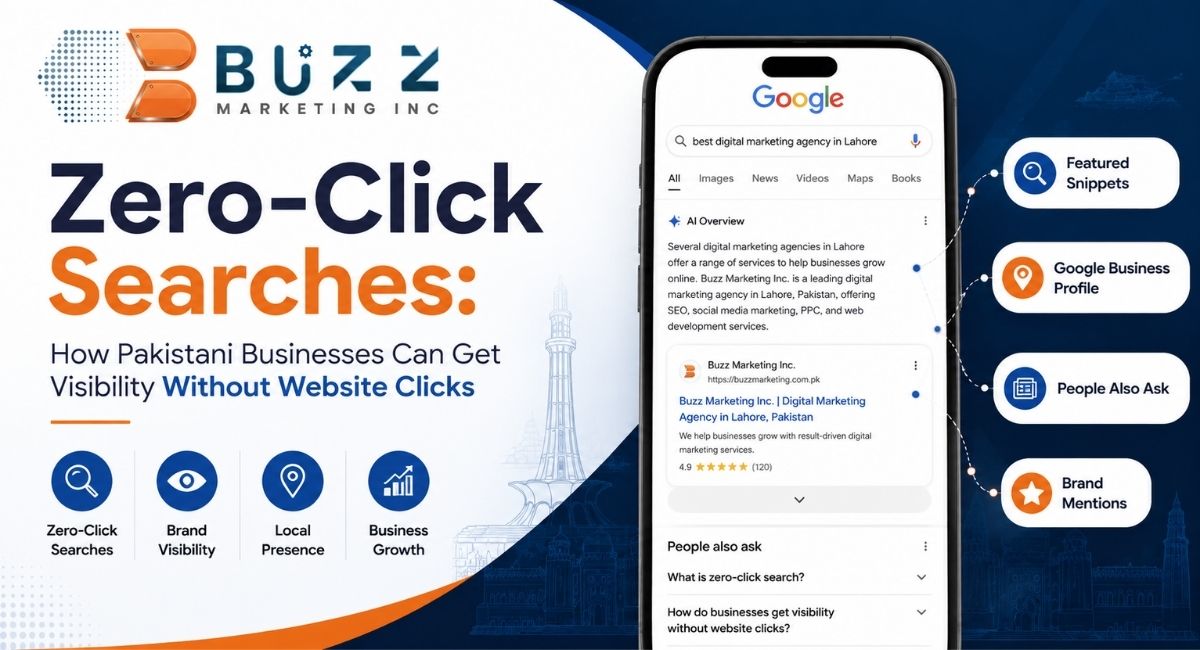
- Google’s featured snippets and “People Also Ask” sections
- Bing’s AI-powered summaries
- Voice assistants like Alexa, Siri, and Google Assistant
- AI-driven chatbots and large language models
Instead of directing users to a list of websites, answer engines provide the solution within the interface itself. This saves time for users, but it also reduces click-through opportunities for businesses. That is why AEO is not only about being visible, but about shaping the way your brand’s information is presented.
If you have read about the latest digital marketing trends, you’ll know that zero-click searches are rising. AEO is the way to stay relevant in that environment.
AEO vs SEO Explained
It is important to see where AEO stands compared to SEO.
| Feature | Traditional SEO | Answer Engine Optimization (AEO) |
| Goal | Rank higher in search engine results pages (SERPs) | Be the chosen answer in featured snippets, voice search, and AI summaries |
| User Intent | Informational, transactional, navigational | Primarily informational or conversational |
| Content Style | Long-form, keyword optimized, structured with headings | Concise, direct, context-rich answers within longer content |
| Measurement | Organic traffic, rankings, backlinks | Featured snippet capture, voice query performance, AI model mentions |
In simple terms, SEO helps users find your website, while AEO helps users find your answers.
How to Optimize for Answer Engines
Optimizing for answer engines requires adapting content to be more direct, well-structured, and contextually rich. Think of it as creating an answer library within your content. Below are strategies you can implement:
1. Focus on Conversational Queries
Most answer engines pull data from queries that look like questions. Use natural language formats such as:
- What is X?
- How does X work?
- Why is X important?
- Difference between X and Y
This is why integrating Q&A sections into your blog posts, landing pages, and website copywriting makes your site more attractive for answer extraction.
2. Create Structured and Concise Responses
Answer engines prefer content that offers the answer in the first 40–60 words of a section. You can still expand on the topic in detail afterward, but the direct answer should come upfront.
Example:
If the question is “What is AEO?” your response should start with a one-sentence definition before exploring the topic further.
3. Use Schema Markup
Schema markup (structured data) helps search engines interpret your content. Mark up FAQs, How-To guides, and product descriptions so that answer engines can confidently pick them up.
4. Target Featured Snippets
Snippets often appear for definitions, lists, tables, or comparisons. Incorporating tables like the one above, or short bullet points, increases your chances. For example, when describing “AEO vs SEO,” a table makes the distinction clearer for both readers and answer engines.
5. Combine AEO with On-Page SEO
While AEO is unique, it cannot replace foundational SEO. Ensure your content also includes optimized meta titles, headings, internal linking, and fast page speed. For this, professional on-page SEO strategies remain essential.
Manual Guide: Practical Steps for AEO
Here is a simplified step-by-step manual to make your website ready for answer engines:
| Step | Action | Tools/Methods |
| 1 | Identify question-based keywords | Google People Also Ask, AnswerThePublic, SEMrush |
| 2 | Create direct answers | Start with 40–60 word definitions, then expand |
| 3 | Optimize for voice queries | Use natural language, conversational tone |
| 4 | Add structured data | Schema.org markup, FAQ schema |
| 5 | Use tables and lists | Highlight comparisons, step-by-step processes |
| 6 | Monitor performance | Google Search Console, featured snippet trackers |
| 7 | Update content regularly | Refresh Q&A sections, adjust to new queries |
Answer Box Ranking Strategies
Ranking in Google’s answer box (the featured snippet) is one of the most practical ways to apply AEO. Strategies include:
- Writing definitions in plain sentences without fluff
- Using numbered lists for “how-to” queries
- Creating comparison tables for “difference between” searches
- Adding step-based instructions for guides
For example, if you run an ecommerce site, applying AEO alongside ecommerce SEO services can help your product pages show up as direct answers to “best platform for online shopping” or “how to set up an ecommerce store.”
Why AEO Matters for Global Brands
Businesses that ignore AEO may miss out on visibility in voice search, AI chat responses, and featured snippets. As more people rely on smart devices and AI-powered assistants, being “answer-ready” is no longer optional.
For global brands, especially those investing in website development services, AEO ensures that their sites are not only functional but also conversationally accessible. This makes it easier for customers across different regions to get instant answers in their preferred format.
FAQs About Answer Engine Optimization
1. Is AEO replacing SEO?
No. AEO complements SEO. Traditional SEO gets you visibility in search results, while AEO ensures you are chosen for direct answers. Both should work together.
2. How do I measure AEO success?
Track featured snippet appearances, voice search results, impressions in “People Also Ask” boxes, and mentions in AI summaries. Tools like SEMrush and Ahrefs are beginning to support these insights.
3. Can small businesses benefit from AEO?
Yes. Even a small business can capture local answer boxes by optimizing FAQs. For instance, a bakery can answer “best bakery near me” or “where to buy gluten-free bread” in short, structured responses.
4. Do AI tools use AEO content?
Yes. Many AI-driven tools and engines pull answers from existing online content. By structuring your answers properly, you increase your chances of being used as a reference.
5. How does AEO connect with voice search optimization?
AEO and voice search optimization are closely related. Since voice queries are often question-based, optimizing for AEO also boosts performance in voice search.
Final Thoughts
Answer Engine Optimization is shaping the next era of digital visibility. Instead of only competing for higher SERP rankings, brands must now compete to provide the most direct, clear, and trustworthy answers. This means structuring content around questions, using schema markup, and continuously refreshing information to match evolving user queries.
Whether you’re investing in SEO strategy or upgrading your website, incorporating AEO ensures your brand stays visible across traditional search, AI-driven engines, and voice assistants.
For expert support in building both SEO and AEO strategies tailored to your business, explore Buzz Marketing’s professional SEO marketing services and ensure your brand is future-ready.