In 2025, the rules of search are being rewritten. Traditional SEO tactics that dominated the last decade are now being challenged by AI-powered search ecosystems that synthesize, rank, and answer queries without always pointing users to individual sites. If your business doesn’t understand the shift, it risks being invisible—especially in zero-click, AI-driven contexts.
This post dives deep into how AI SEO differs from Traditional SEO, what’s driving the change, and how businesses should adapt to survive and thrive.
What Is Traditional SEO — And Why It Still Matters
Traditional SEO refers to the established practices that aim to improve a website’s visibility in search engine result pages (SERPs). These practices include:
- Keyword research and targeting
- Meta titles, descriptions, header tags
- On-page optimization (content structure, internal linking)
- Technical SEO (site speed, crawlability, mobile optimization)
- Link building and domain authority
- Monitoring metrics like impressions, click-through rate (CTR), rankings, and traffic
These methods have been battle-tested and continue to hold value because they build trust, relevance, and visibility in the classic link-based search world.
But the search landscape is shifting—fast.
What Is AI SEO (and Related Concepts)
AI SEO evolves traditional SEO by optimizing for AI-powered engines, conversational interfaces, and generative responses. It focuses less on ranking a page and more on being cited, summarized, or surfaced within AI systems.
Some key related paradigms:
- Answer Engine Optimization (AEO): Optimizing content so AI and chat/assistant engines use your content as the direct answer. Wikipedia
- Generative Engine Optimization (GEO): Tailoring content to be surfaced in generative AI outputs (ChatGPT, Perplexity, Gemini). arXiv+1
- Conversational / C-SEO: Structuring content so it fits the Q&A or conversational style that AI (LLMs) use. arXiv
A recent academic paper, Generative Engine Optimization: How to Dominate AI Search, shows that AI search engines disproportionately favor earned media and authoritative third-party sources over brand content or social content. arXiv
Another study, Beyond Keywords: Driving Generative Search Engine Optimization with Content-Centric Agents, argues that traditional metrics like “rank” are becoming less relevant in AI search—visibility is about influence in synthesized answers. arXiv
How AI SEO and Traditional SEO Differ in 2025
Here’s a comparison of how things are shifting:
| Feature / Focus | Traditional SEO | AI SEO / Next-Gen SEO |
|---|---|---|
| Goal | Rank within SERPs, maximize organic clicks | Be cited in AI output, appear in zero-click contexts |
| Content Style | Long-form, keyword-optimized, sometimes narrative flow | Structured answers, snippets, bullet points, FAQs |
| Authority Signals | Backlinks, domain authority, content depth | Earned mentions, citations, brand trust, knowledge graph presence |
| Keyword Use | Target specific key phrases, long tail, etc. | Understand intent, conversation, query rephrasing, semantic matching |
| Measurement | Traffic, rankings, CTR, conversions | AI presence score, share in responses, citations, “voice share” (how often AI picks you) |
| Speed & Scale | Manual processes, gradual improvements | AI-assisted ideation, scaling content, rapid testing & iteration |
| Risk / Trust | Vulnerable to algorithm updates, black-hat tactics | Risk of AI hallucinations, misinterpretation, content blending; must ensure accuracy |
As one analysis puts it, there is no knockout winner in 2025—AI SEO wins for speed, scale, and experimentation, but Traditional SEO remains crucial for long-term authority and stability. DEV Community
Another perspective: Traditional SEO is no longer enough by itself. Marketers must build credibility and trust so AI engines regard their content as authoritative. MarketingProfs
What’s Driving This Shift (in 2025)
1. Rise of AI Summaries, Overviews & Mode
Search engines are embedding AI-generated overviews at the top of results pages. In many queries, the AI summary appears above the classic blue links, drawing attention and traffic. Concord USA
Google has also launched AI Mode, a chat-style interface that transforms how queries are answered—less list-based, more conversational. WIRED
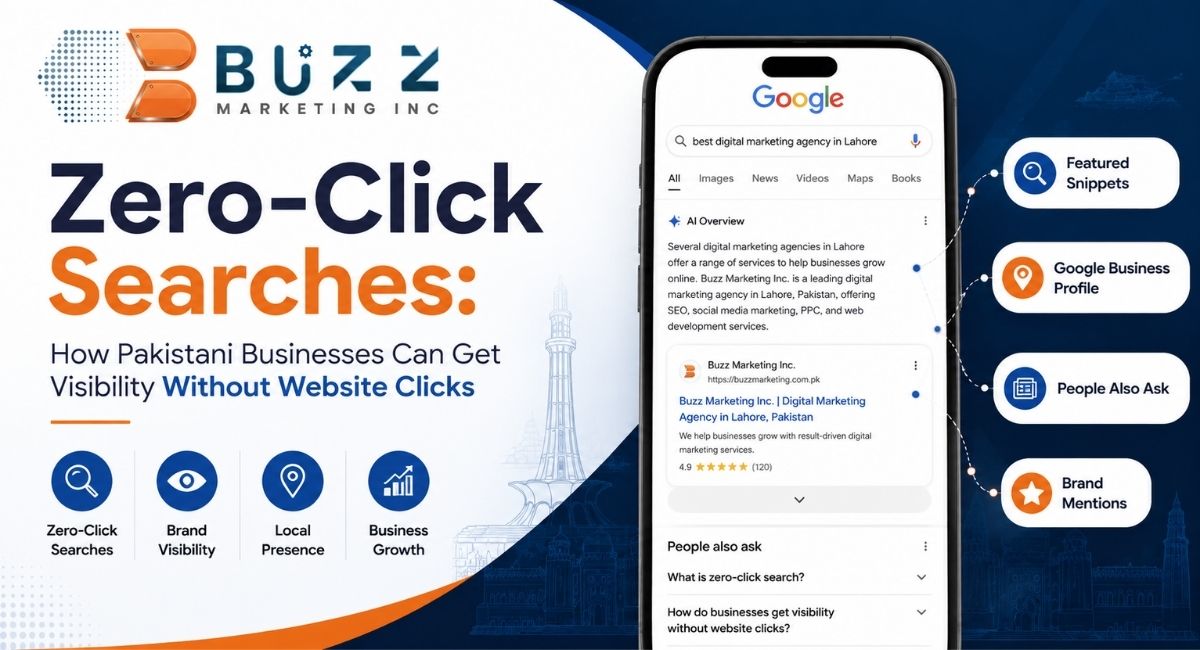
2. Increasing Zero-Click Searches
Many users now get an answer immediately from AI or summary boxes, without clicking through. This reduces traffic to individual sites and makes being the answer itself more valuable than being on top of SERPs.
3. Emphasis on Trust, Authority & Citations
AI systems rely heavily on signals like backlinks, brand signals, mentions, editorial citations, and the knowledge graph. A backlink is still one of the strongest signals, even in AI-driven ranking systems. WSI World
4. Technical / Structural Requirements
If your content is poorly structured, AI may struggle to interpret it. Schema markup, clear headings, concise summaries, Q&A structure, and properly annotated data are more important than ever. Xponent21
5. Evolving Metric Focus
Traditional KPIs like CTR and top-10 rank are no longer sufficient. New metrics—such as how often your site is cited in AI responses, your AI voice share, and generative visibility—are becoming key to measuring success. Wikipedia
What Businesses Must Do: A Hybrid AI-SEO Strategy
Here’s a practical roadmap your brand can follow.
1. Audit Your Current SEO & AI Exposure
- Identify high-performing pages by traditional SEO.
- Check if those pages are appearing in AI summaries or overviews.
- Use AI tools or manual checks: ask ChatGPT / Perplexity and see whether your site is cited.
2. Structure and Format for AI
- Break content into concise, answer-style paragraphs (question → answer).
- Use headings and subheadings reflecting natural user queries.
- Use FAQ blocks, bullet lists, “what is / how to / why” formats.
- Add schema markup (especially Q&A, FAQ, how-to, article schema).
3. Build & Signal Authority
- Earn mentions and citations on reputable sites and media.
- Get included in industry reports, interviews, and scholarly or news references.
- Improve brand presence across trusted platforms (LinkedIn, press, niche forums) so AI “knows” your brand is credible.
4. Hybrid Content Approach
- Continue creating long-form content that serves SEO goals and depth.
- Layer on AI-optimized answer sections or summary snippets within those pages.
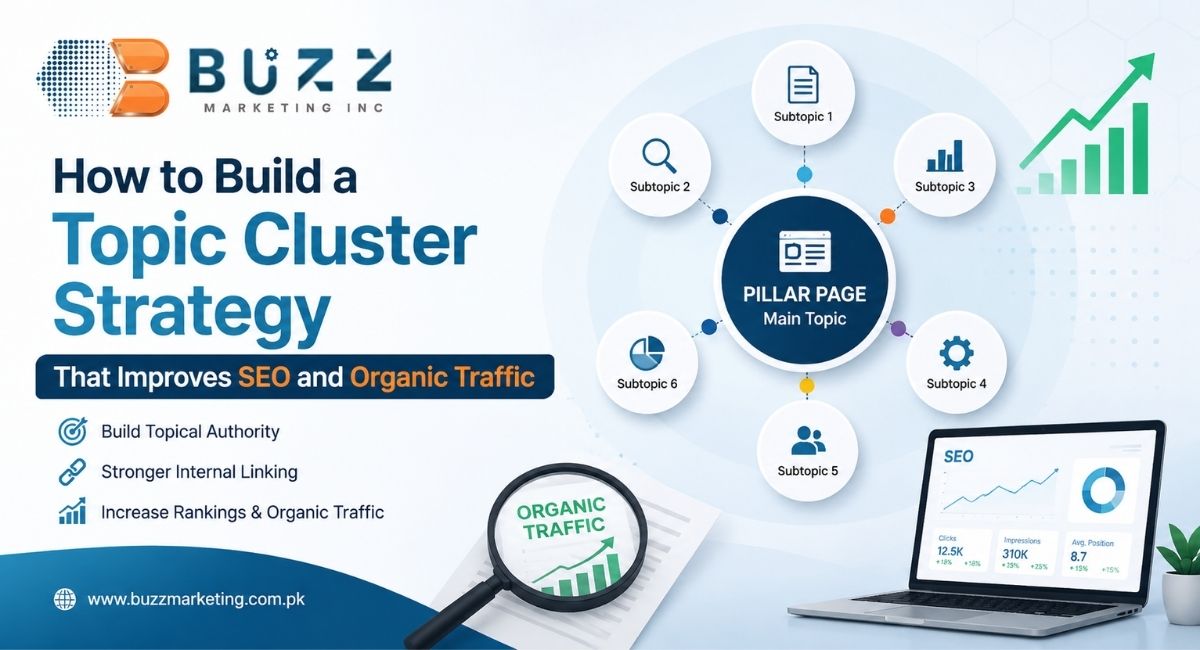
- Create pillar + cluster content around core topics, with hubs optimized for AI and deep pages optimized for classic SEO.
5. Monitor AI & SERP Behavior
- Track when your content gets featured in AI answers (manually or with tools).
- Monitor zero-click vs click-through trends on your pages.
- Use newer tools that measure “AI visibility / voice share / citation presence.”
6. Quality, Accuracy & Updates
- AI systems can misinterpret or hallucinate; ensure factual accuracy.
- Update content regularly; freshness matters to AI models.
- If new evidence emerges, revise your claims and note changes (AI may punish outdated content).
7. Experiment & Learn
- Use AI tools for ideation, testing, and drafting. But always add your human review, domain insight, and editing.
- A/B test formats: e.g., question-first vs narrative-first layout to see which AI engine cites you more.
- Observe which content types (FAQ, short direct answer, long guide) perform better in AI contexts.
Examples & Use Cases
- A blog post on “What is AI SEO?” may now get pulled and truncated as the answer inside ChatGPT, Perplexity, or Google’s overview if formatted well.
- A Q&A page structured for “How to optimize for AI overviews” might get featured directly within Google’s summary instead of just ranking #1.
- In niche industries (finance, health, law), AI tends to favor well-cited, authoritative content; building third-party citations can be a differentiator.
Risks & Pitfalls to Watch Out For
- AI Hallucinations: If an AI misquotes or misinterprets your content, it may lead to incorrect answers. Watch how your content is used.
- Content Uniformity / Blandness: If everyone uses AI tools identically, content can become too similar and less distinct.
- Over-optimization: Keyword stuffing or forced phrasing for AI may hurt natural readability and human UX.
- Reliance on One Platform: AI engines (ChatGPT, Perplexity, Google) have different behaviors—optimize for multiple.
- Opaque Ranking Logic: AI models are black boxes; it’s harder to reverse-engineer why one content is chosen over another.
The Bottom Line: Neither Dies—They Merge
Traditional SEO is not dead. Instead, its role is evolving. In 2025, the winning formula is hybrid:
- Use traditional SEO as your foundation (technical SEO, backlinks, content depth).
- Overlay AI SEO / AEO / GEO tactics to ensure your content becomes the answer.
- Focus on building real authority, brand signals, and references that AI respects.
Brands that cling only to classic SEO risk losing visibility as more search shifts into AI-driven, zero-click spaces. But brands that rely purely on AI optimization without depth, credibility, or defensibility will falter over time.